
Hair
Hair Loss & Scalp Health

BHMS — Classical Homeopathic PhysicianPublished 15 Mar 2026· Updated 1 Aug 2026
From pattern baldness to premature greying and dandruff, homeopathy addresses hair loss at its root — the underlying constitution, hormonal milieu, and nutritional imbalance — rather than merely stimulating the scalp.
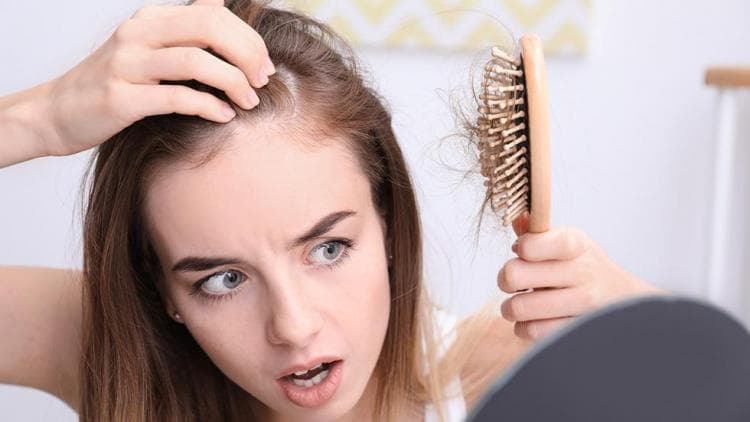
Overview
Hair loss is among the most distressing conditions a person can face — yet it is rarely a surface-level problem. The health of your hair is a direct reflection of your internal physiology: hormonal balance, nutritional status, stress levels, thyroid function, and genetic predisposition all contribute to hair quality, density, and loss. Treating the scalp alone — with oils, shampoos, or topical minoxidil — addresses the symptom without touching the cause.
Homeopathic medicine treats hair loss constitutionally — meaning the entire person is assessed. The same presenting complaint of diffuse hair fall may have entirely different root causes in different patients: post-viral illness in one, PCOS-related androgen excess in another, and grief-triggered telogen effluvium in a third. Each requires a different remedy, chosen through careful case-taking.
At HealthKunj, we have helped patients with a wide range of hair and scalp conditions — from patchy alopecia areata to postpartum hair loss and chronic dandruff. Our approach identifies the internal driver of hair loss and addresses it at the constitutional level, producing improvements that are lasting rather than dependent on ongoing topical application.
What is it?
Hair loss and scalp conditions encompass a broad range of presentations — from androgenetic alopecia (pattern baldness) driven by genetic and hormonal factors, to immune-mediated alopecia areata, and chronic scalp conditions such as seborrhoeic dermatitis. Homeopathy addresses each condition through constitutional assessment rather than a one-size-fits-all protocol. Conditions we treat include:
Male Pattern Baldness
Female Pattern Baldness
Hair Loss (Alopecia)
Dandruff (Seborrhoeic Dermatitis)
Pre-mature Greying
Common Symptoms
Gradual thinning at the crown or temples
Receding hairline in men
Diffuse hair fall in women
Circular bald patches (alopecia areata)
Dry, flaky scalp with dandruff
Oily scalp with excessive hair fall
Premature greying before age 35
Brittle, dry, or lifeless hair
Scalp itching or burning
Hair fall after illness, surgery, or pregnancy
Hair thinning associated with thyroid or hormonal issues
Excessive hair loss post-delivery (postpartum alopecia)
Benefits of Homeopathy for Hair Loss
Treats the Cause, Not the Scalp
Hormonal imbalance, nutritional deficiency, stress, and genetic predisposition are addressed through constitutional treatment.
Safe Long-term Use
No dependency, no scalp irritation, no systemic side effects — unlike minoxidil or finasteride.
Effective for Alopecia Areata
Patchy hair loss responds particularly well to homeopathic treatment, often showing regrowth within 3–6 months.
Addresses Hormonal Hair Loss
Hair loss related to thyroid disorders, PCOS, and postpartum hormonal changes is treated as part of the constitutional picture.
Dandruff and Scalp Health
Constitutional remedies improve scalp ecology, reducing seborrhoea, fungal tendency, and chronic dandruff effectively.
Slows Premature Greying
While reversal is not always possible, homeopathy can slow further greying and improve hair texture and vitality.
Our Homeopathic Approach
Constitutional Case Taking
Hair health is a reflection of internal health. We take a complete history covering diet, stress, hormonal history, and family pattern of hair loss.
Trigger Identification
We identify whether the hair loss is hormonal, nutritional, stress-induced, post-illness, or genetic — each requires a different approach.
Remedy Prescription
A constitutional remedy is selected to address the root cause. Specific hair-related remedies (Lycopodium, Natrum Mur, Silicea, Phosphorus, etc.) are used where indicated.
Dietary & Lifestyle Guidance
We provide basic nutritional guidance alongside the prescription, as deficiencies in iron, B12, zinc, and vitamin D commonly drive hair loss.
Follow-up & Progress Tracking
Hair regrowth takes time. We assess progress every 4–6 weeks and adjust the prescription as the scalp and hair quality improve.
Frequently Asked Questions
How long does homeopathic treatment take for hair loss?▾
Most patients notice reduced hair fall within 4–8 weeks. New hair growth typically begins within 3–6 months for alopecia areata. Pattern baldness and chronic hair fall may require 6–12 months of sustained treatment.
Can homeopathy regrow hair in bald patches?▾
Yes, particularly in alopecia areata (patchy hair loss). This is one of the conditions that responds best to constitutional homeopathic treatment.
Is homeopathy effective for male pattern baldness?▾
Homeopathy can slow the progression of genetic pattern baldness and, in early stages, partially reverse it. The earlier treatment begins, the better the outcomes.
Can I continue using hair oils and topical treatments alongside homeopathy?▾
Yes. There is no contraindication to using hair oils or topical treatments alongside internal homeopathic remedies.
Is hair loss related to thyroid disease treated differently?▾
Yes. When hair loss is secondary to hypothyroidism or hyperthyroidism, both the thyroid condition and the hair loss are addressed in the constitutional prescription.
Can homeopathy help with dandruff?▾
Yes. Chronic dandruff with an oily or dry scalp responds well to constitutional treatment. We address the seborrhoeic tendency rather than just treating the surface symptom.
Patient Stories
“I had large circular bald patches that my dermatologist said might be permanent. Within 5 months of Dr. Thakur's treatment, the patches filled in completely.”
✓ Full regrowth in alopecia areata patches
Vikram S.
5 months of treatment“Post-pregnancy hair fall had left my hair so thin I was embarrassed to step out. Homeopathic treatment helped me regain my hair density without any chemicals or side effects.”
✓ Hair density restored post-partum
Kavya N.
8 months of treatmentWhat to Inform Your Doctor
- 1
When hair loss started and any triggering event (illness, delivery, stress)
- 2
Pattern of hair loss (diffuse, patchy, receding)
- 3
Family history of hair loss or premature greying
- 4
Recent blood tests (thyroid, ferritin, vitamin D, B12, iron)
- 5
Any hormonal conditions (PCOS, thyroid disorder)
- 6
Current medications including supplements, hair oils, or topical treatments
- 7
Diet and nutritional habits
- 8
Scalp conditions (dandruff, oiliness, itching)
- 9
History of recent illness, surgery, or anaemia
- 10
Emotional stressors in the past 6–12 months
Preparing for Your Appointment
Blood Reports
Bring recent reports for thyroid, ferritin, vitamin D, B12, and iron if available.
Photos of Hair Loss
Before-and-after photos of affected areas help track progress over time.
Medication List
Include all supplements, oils, and any topical or oral hair treatments you're currently using.
Timeline of Hair Loss
Note when it started, any changes in pattern, and what may have triggered it.
Dietary Information
A basic note on your diet helps identify potential nutritional gaps contributing to hair loss.
Stress History
Stress is one of the most common triggers of hair loss. Sharing emotional stressors helps refine the prescription.
Healthier hair starts from within.
Book your consultation to discuss your hair and scalp health.
Book Your Consultation