
Gastrointestinal Health
Acidity & Acid Reflux

BHMS — Classical Homeopathic PhysicianPublished 15 Mar 2026· Updated 1 Aug 2026
Break free from daily antacids — constitutional homeopathy heals the oesophageal lining, restores gastric balance, and addresses the lifestyle and emotional roots of GERD.
Overview
Acidity and gastro-oesophageal reflux disease (GERD) affect over 20% of urban Indians, driven by sedentary lifestyles, stress, late-night eating, and the increasing consumption of processed foods. Despite being highly prevalent, chronic GERD is frequently under-treated or managed with long-term antacid use that suppresses symptoms without addressing the underlying dysfunction — and carries significant long-term health risks.
Classical homeopathy offers a deeply individualistic approach to GERD — matching remedies precisely to the character of each patient's acidity, their constitution, dietary patterns, stress profile, and associated symptoms. The goal is not to suppress acid production but to restore the normal regulatory balance of the digestive system, heal inflamed mucosa, and eliminate the need for daily antacid dependence.
20%+
Urban Indians affected by chronic GERD
7+ yrs
Average duration of PPI use in chronic GERD patients
98%
Patient satisfaction at HealthKunj
What Is It?
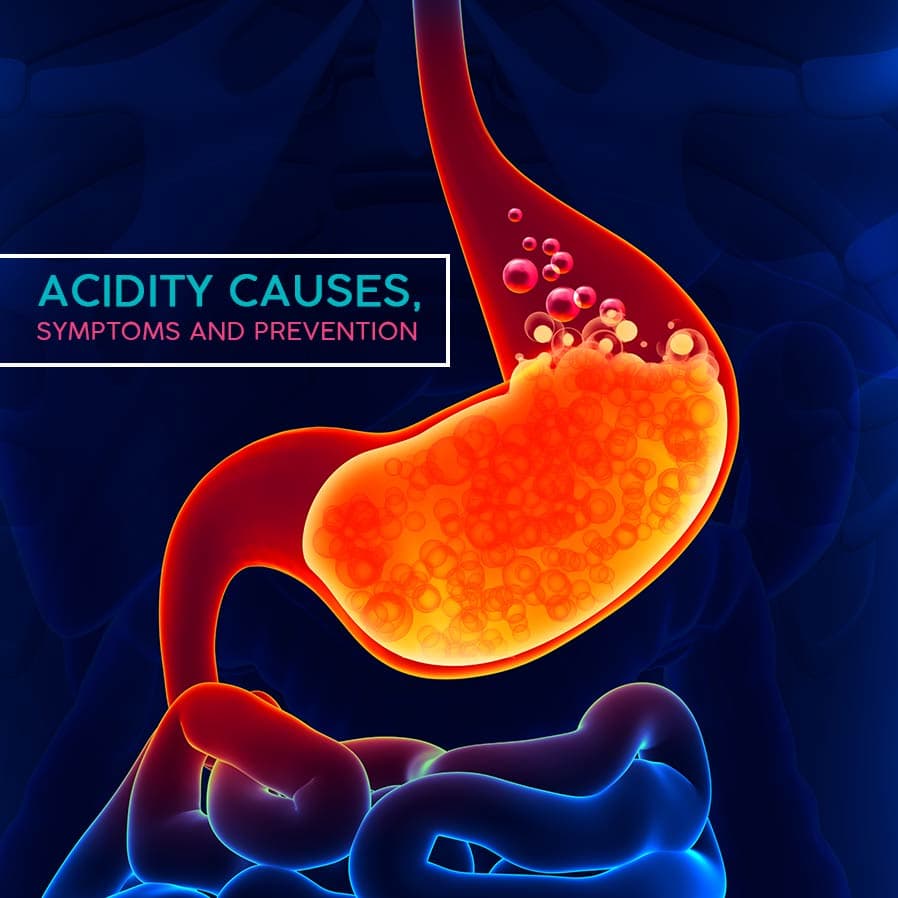
GERD occurs when gastric contents — including hydrochloric acid — reflux into the oesophagus due to impaired lower oesophageal sphincter (LES) function. Unlike a one-way valve that should prevent backflow, a weakened or transiently relaxing LES allows acid to damage the unprotected oesophageal lining. This can range from simple functional dyspepsia to severe oesophagitis and, in long-standing cases, Barrett's oesophagus.
Functional Dyspepsia / Simple Acidity
Episodic burning, bloating, and belching without structural oesophageal damage. Highly responsive to constitutional homeopathy and dietary modification.
Erosive GERD (Oesophagitis)
Visible mucosal erosions on endoscopy. Requires more intensive treatment. Homeopathy supports mucosal healing alongside conventional care; Barrett's surveillance must be maintained.
Laryngopharyngeal Reflux (Silent Reflux)
Acid reaches the throat and larynx causing chronic cough, hoarseness, and post-nasal drip without classic heartburn. Often misdiagnosed. Responds well to homeopathic constitutional treatment.
Common Symptoms
Burning sensation in the chest or throat (heartburn)
Sour or bitter taste in the mouth
Regurgitation of food or liquid into the throat
Chronic dry cough or throat clearing
Hoarseness or voice changes in the morning
Difficulty swallowing (dysphagia)
Bloating and belching after meals
Nausea, particularly after eating
Worsening symptoms when lying down or bending forward
Throat soreness and post-nasal drip
Dental erosion from chronic acid exposure
Disturbed sleep due to nocturnal reflux
Benefits of Homeopathy for Acidity & GERD
Reduces Antacid Dependence
Long-term PPI and antacid use carries risks including magnesium deficiency, C. difficile infection, and rebound hyperacidity. Constitutional homeopathy gradually restores normal gastric acid regulation, reducing and eliminating the need for daily antacids.
Heals Oesophageal Inflammation
Remedies such as Robinia, Natrum Phos, and Iris Versicolor specifically address oesophageal inflammation and mucosal irritation, providing healing that goes beyond symptomatic suppression.
Addresses Stress-Related GERD
Stress and anxiety are among the most significant drivers of acid reflux. Constitutional homeopathy treats the emotional and nervous system dimension of GERD — a dimension antacids cannot reach.
Corrects Lower Oesophageal Sphincter Function
The lower oesophageal sphincter (LES) tone is regulated by the autonomic nervous system. Constitutional homeopathy improves LES function over time, reducing reflux episodes at their mechanical cause.
Improves Digestive Function Broadly
Many patients with GERD also have bloating, sluggish digestion, and constipation. Constitutional treatment addresses the whole digestive system, improving gastric emptying and bowel function simultaneously.
Safe for Long-Term Use
Unlike PPIs, which are associated with long-term adverse effects when used for years, homeopathic remedies are completely safe for extended use and do not suppress gastric acid in a way that causes rebound.
Our Homeopathic Approach
Symptom Characterisation
We explore the precise character of your acidity: when it occurs, what triggers it, what relieves it, whether it is accompanied by nausea, belching, or regurgitation — and any nocturnal or positional patterns.
Dietary and Lifestyle Assessment
We assess dietary triggers (spicy food, coffee, alcohol, late meals), eating habits, stress levels, BMI, and posture — all of which significantly influence GERD severity and guide both remedy and lifestyle advice.
Review of Investigations
Endoscopy findings (oesophagitis grade, Barrett's oesophagus, H. pylori status) and pH monitoring results are reviewed. Alarm symptoms (dysphagia, weight loss, anaemia) are flagged for urgent gastroenterology referral.
Individualised Remedy Prescription
Robinia (acidity with sour belching worse lying down), Natrum Phos (sour risings, yellow coating at back of tongue), Iris Versicolor (burning in whole digestive tract), Nux Vomica (acidity from overindulgence, stress, sedentary lifestyle), and Calcarea Carb (heartburn in chilly, overweight constitutions) are among key remedies.
Structured PPI Reduction Plan
For patients on long-term PPIs, we plan a structured, gradual reduction in parallel with homeopathic treatment — avoiding the rebound hyperacidity that occurs with abrupt PPI cessation, and always with GP oversight.
Frequently Asked Questions
Can homeopathy work if I have been on PPIs for years?▾
Yes, but it requires a structured approach. Long-term PPI use causes acid rebound when stopped abruptly. We plan a gradual reduction protocol alongside constitutional treatment, typically over 3–6 months, making the transition comfortable and sustainable.
Is GERD permanently curable with homeopathy?▾
For many patients, particularly those with lifestyle-driven GERD, constitutional homeopathy combined with dietary and lifestyle modifications achieves complete long-term resolution. Patients with structural causes (hiatus hernia, Barrett's) benefit more from management than cure.
I have Barrett's oesophagus. Is homeopathy appropriate?▾
Barrett's oesophagus requires ongoing gastroscopic surveillance regardless of treatment modality. Homeopathy can be used as supportive care alongside conventional management and regular endoscopy — but should never replace surveillance in Barrett's patients.
What dietary changes make the biggest difference?▾
Avoiding eating within 3 hours of bedtime, reducing coffee, alcohol, spicy food, and carbonated drinks, eating smaller meals, elevating the head of your bed, and maintaining a healthy weight are the most impactful dietary changes for GERD.
Can H. pylori cause acidity and should it be tested?▾
Yes. H. pylori infection causes gastritis and peptic ulcers that contribute to acidity symptoms, and we recommend testing if it has not been done. Constitutional homeopathy works on the gastric terrain and the susceptibility behind symptomatic infection, and on the dyspepsia that often lingers afterwards. Where eradication therapy is indicated, it is prescribed by your physician — HealthKunj does not prescribe antibiotics.
My child has acid reflux. Is homeopathy appropriate?▾
Yes. Childhood GERD and reflux respond very well to homeopathic treatment. Remedies such as Natrum Phos and Calcarea Carb are frequently used in infants and children with reflux, with complete safety and no drug interactions.
Patient Stories
"I had been on omeprazole for six years. Every time I tried to stop, the acidity came back worse. Dr. Meera prescribed a constitutional remedy and guided me to reduce the PPI slowly. I have been off it completely for eight months now."
✓ PPI-free after 6 years of dependence; acidity fully controlled
Rajesh Marathe
Patient since 2022, Baner"The constant burning and throat clearing was making my life miserable. Within three weeks of treatment the burning reduced by half, and within three months it was gone. My sleep improved enormously."
✓ GERD symptoms resolved; sleep quality significantly improved
Kavita Joshi
Patient since 2023, HadapsarWhat to Inform Your Doctor
- 1
Duration of acidity and what first triggered it
- 2
Current medications: PPIs, H2 blockers, antacids — with dosages and how long you have taken them
- 3
Any endoscopy findings: oesophagitis grade, hiatus hernia, Barrett's oesophagus, H. pylori status
- 4
Specific triggers: foods, stress, posture, timing
- 5
Whether symptoms worsen lying down or after specific meals
- 6
Any associated symptoms: hoarseness, chronic cough, dysphagia
- 7
Your weight and any recent weight changes
- 8
Stress and work patterns
- 9
Dietary habits including meal timing and portion sizes
- 10
Any previous attempts to reduce or stop antacids
Preparing for Your Appointment
Endoscopy Report
If you have had an endoscopy, bring the report and any biopsy findings — especially if H. pylori testing was done.
Full Medication List
Include PPIs, antacids, and any other medications — particularly NSAIDs, which worsen GERD.
Symptom and Food Diary
Track heartburn episodes, triggering foods, meal times, and symptom severity for one week before your appointment.
Typical Daily Meal Pattern
Describe your usual meal times, portion sizes, and evening eating habits — meal timing is one of the most modifiable GERD factors.
Allow 45 Minutes
Your first consultation covers your full digestive, stress, and constitutional history for accurate remedy selection.
Sleep Impact
Note whether nocturnal symptoms disturb your sleep — this influences both remedy selection and lifestyle advice.
Ready to start your healing journey?
Book your consultation with Dr. Meera Thakur at HealthKunj Clinics, Pune.
Book Your Consultation