
Respiratory Health
Homeopathic Treatment for Asthma — Asthma, Allergies & Breathing

BHMS — Classical Homeopathic PhysicianPublished 14 Mar 2026· Updated 1 Aug 2026
Asthma is a manageable condition — but most conventional treatment only manages it. Homeopathy works at the level of immune sensitivity, progressively reducing the frequency and severity of attacks and, in many cases, allowing a reduction in inhaler dependency.
Overview
Asthma affects over 300 million people worldwide and is the most common chronic respiratory disease in children. It is characterised by episodic airway inflammation, bronchospasm, and mucus hypersecretion — producing the familiar wheeze, cough, and breathlessness.
Conventional management with bronchodilators and inhaled corticosteroids is effective for control, but does not modify the underlying allergic or immune mechanism. Many patients find themselves on increasing doses over years, with no prospect of reduction.
At HealthKunj, we treat asthma and related allergic conditions (hay fever, sinusitis, eczema) as part of the same constitutional immune picture. Homeopathic treatment gradually reduces the immune hypersensitivity that drives these conditions — leading to fewer attacks, reduced trigger sensitivity, and in many cases, lower medication requirements.
What Is It?
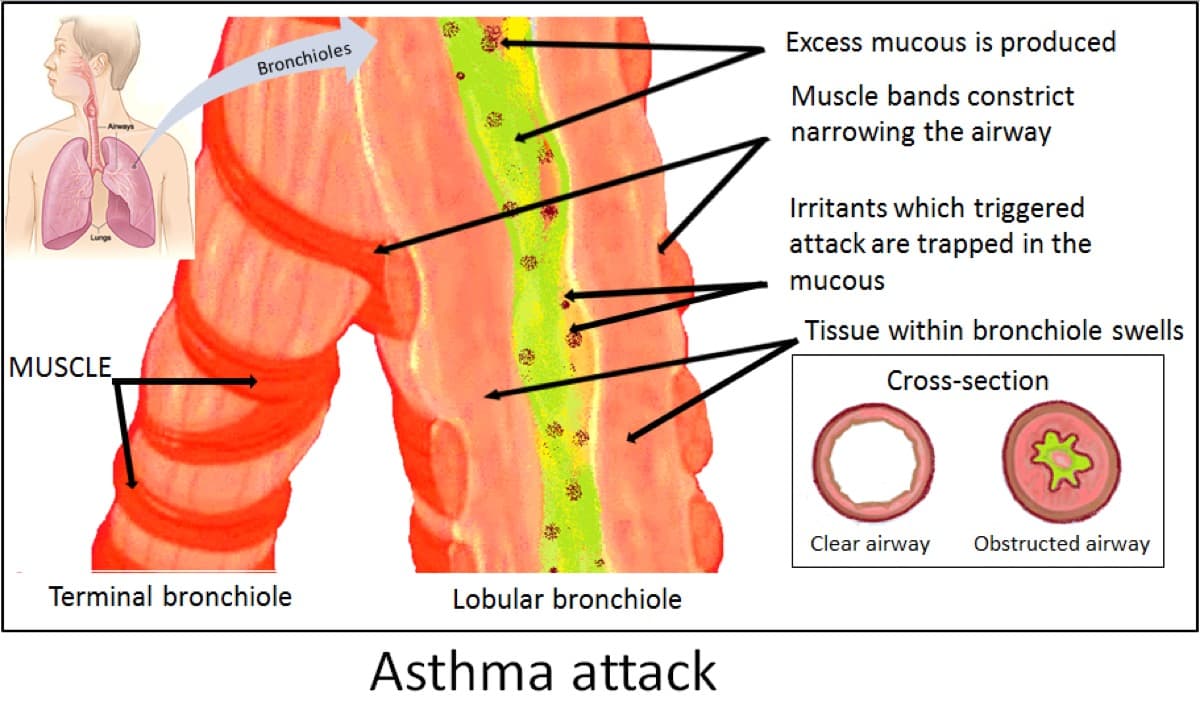
Asthma is a chronic inflammatory disorder of the airways characterised by variable and recurring symptoms, airflow obstruction, and bronchial hyperresponsiveness. The key mechanisms are:
Airway Inflammation
Chronic inflammation of the bronchial lining — even between attacks — makes the airways swollen, sensitive, and prone to spasm.
Bronchospasm
The smooth muscle surrounding the airways contracts in response to triggers, narrowing the airway and causing wheezing and breathlessness.
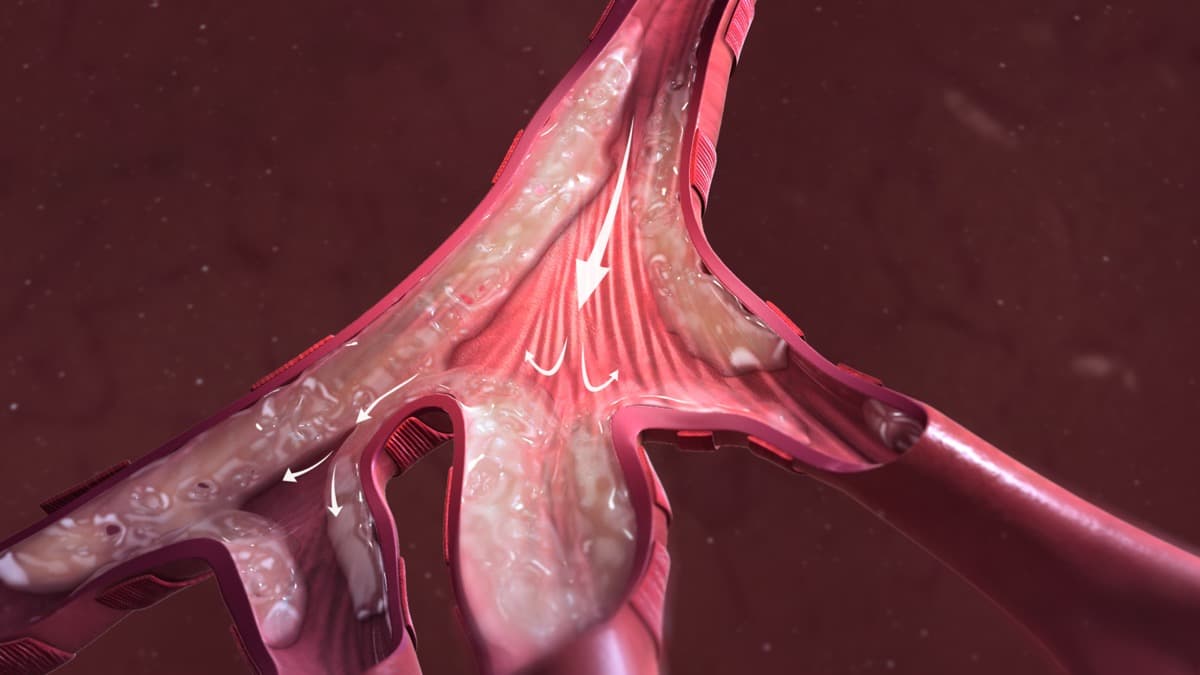
Mucus Hypersecretion
Excess mucus production further narrows already inflamed airways, contributing to cough and chest tightness.
Airway Remodelling
In chronic, poorly controlled asthma, repeated inflammation causes structural changes in the airway wall — making control progressively harder over time.
Common Symptoms
Recurrent episodes of wheezing
Shortness of breath — especially on exertion or at night
Chest tightness or pressure
Persistent cough — often worse at night or early morning
Coughing triggered by exercise, cold air, or allergens
Allergic rhinitis (hay fever) — commonly co-existing
Rapid breathing during attacks
Difficulty speaking in full sentences during acute episodes
Anxiety or panic during attacks
Fatigue from disrupted sleep due to nocturnal symptoms
Eczema or skin allergies — common in atopic triad
Increased mucus production
Benefits of Homeopathy for Asthma
Reduces Frequency of Attacks
Constitutional treatment strengthens the respiratory system's baseline resilience, making attacks less frequent, shorter, and milder over time.
Reduces Inhaler Dependency
Many patients find they need their rescue inhaler less frequently as treatment progresses. This is done gradually and in coordination with their pulmonologist.
Treats Allergic Sensitivity at the Root
Rather than blocking the allergic response with antihistamines, homeopathy corrects the immune system's tendency to overreact to allergens in the first place.
Safe for Children
Homeopathic remedies are completely safe for children of all ages — including infants. They are a gentle, non-steroidal alternative for childhood asthma and recurrent wheeze.
Addresses the Atopic Triad
Many asthma patients also have eczema and allergic rhinitis (the atopic triad). Constitutional homeopathy addresses all three simultaneously through a single remedy.
No Drug Interactions
Homeopathic remedies have no known interactions with bronchodilators, inhaled corticosteroids, or antihistamines. Treatment runs alongside existing medication safely.
Our Homeopathic Approach
Detailed Respiratory History
Dr. Thakur documents the exact character of your asthma — when attacks occur, what triggers them, timing (night vs. day, seasonal), severity, and what provides relief. No two cases are identical.
Allergic & Atopic Background
Family history of atopy (eczema, hay fever, asthma), personal history of skin conditions, and prior allergic responses are carefully mapped — as these influence the constitutional remedy.
Constitutional Remedy Prescription
A single remedy is chosen based on the patient's full picture. Asthmatic patients who are chilly, worse from cold, and restless after midnight respond differently from those who are worse from heat and better from open air.
Emergency Protocol Guidance
Homeopathy does not replace rescue inhalers in acute attacks. Dr. Thakur clearly delineates when to use the homeopathic remedy and when conventional emergency management is essential.
Gradual Reduction of Triggers
As constitutional treatment progresses, patients typically notice reduced sensitivity to known triggers — dust, pollen, exercise, cold air. This reduced reactivity is a key marker of genuine improvement.
Frequently Asked Questions
Can I stop my inhaler when I start homeopathy?▾
Never stop your inhaler without medical guidance. Homeopathic treatment is started alongside your existing medication. As your condition improves, your pulmonologist can guide a gradual reduction. Rescue inhalers should always be kept on hand for emergency use.
How long before I see improvement?▾
Many patients notice reduced frequency of attacks and improved sleep within 6–10 weeks. Significant reduction in inhaler dependency typically takes 4–8 months of consistent treatment.
Is homeopathy safe for childhood asthma?▾
Yes. Homeopathic remedies are non-toxic and completely safe for children of all ages. They carry no risk of the growth suppression or bone density effects associated with inhaled corticosteroids.
Can homeopathy help if asthma is allergy-triggered?▾
Yes — in fact, allergic asthma responds particularly well to constitutional homeopathic treatment. The remedy corrects the underlying immune hypersensitivity, reducing the allergic trigger threshold over time.
What about exercise-induced asthma?▾
Exercise-induced asthma is treated constitutionally along with the chronic case. Over time, patients often find they can exercise with less bronchospasm — though we always recommend appropriate warm-up and having a rescue inhaler available.
Is homeopathy useful in severe or poorly controlled asthma?▾
Homeopathy is most helpful as an adjunct in severe asthma — reducing flare-up frequency and severity, and improving baseline lung function. It should not replace conventional management in severe or brittle asthma.
Patient Stories
"My son had asthma attacks every winter for 5 years. After 8 months of homeopathic treatment, he went through last winter with just one mild episode. His paediatrician reduced his preventive inhaler dose."
✓ Winter attacks reduced from 6 to 1
Arun T., Wakad
8 months"I had allergic rhinitis and asthma together. Antihistamines made me drowsy and my inhaler was only managing symptoms. Homeopathy addressed both conditions — I haven't needed antihistamines in 6 months."
✓ Antihistamines stopped; asthma symptoms reduced 70%
Meena J., Kharadi
11 monthsWhat to Inform Your Doctor
- 1
Age at which asthma was first diagnosed
- 2
Exact triggers — dust, pollen, pets, cold air, exercise, infections, strong smells, stress
- 3
Timing of attacks — time of day, night vs. morning, seasonal pattern
- 4
Current medications — inhalers (rescue and preventive), oral steroids, antihistamines
- 5
Pulmonary function test (spirometry) results, if available
- 6
History of skin conditions — eczema, urticaria, or other allergies
- 7
Family history of asthma, allergies, or eczema
- 8
Whether attacks are improving, stable, or worsening
- 9
Any hospitalisations or emergency treatment for asthma
- 10
Emotional state and stress history — emotional triggers for attacks
Preparing for Your Appointment
Bring Spirometry Results
If you have recent lung function tests (FEV1, FVC), please bring them. They help establish a baseline for tracking improvement.
List All Inhalers & Doses
Note all inhalers — rescue (SABA) and preventive (ICS/LABA) — including dosage and frequency of use.
Track Recent Attacks
Note frequency, severity, duration, and triggers of your last 5–10 asthma episodes.
Note Known Allergens
List all known allergens — tested or suspected — including seasonal patterns.
For Children — Bring Growth Records
If your child is on inhaled corticosteroids, bring growth records to discuss any concerns about growth effects.
Allow 60 Minutes
Your first consultation is comprehensive. A full picture of your respiratory history is essential for an accurate prescription.
Two ways to consult for Asthma
Dr. Meera Thakur sees patients in person at our Kharadi clinic in Pune, and online by video anywhere in India.
In-clinic — Kharadi, Pune
First Floor, Blue Berry Society, 4, Blue Berry Rd, Tulaja Bhawani Nagar, Kharadi, Pune, Maharashtra 411014
Mon–Sat: 10:30 AM – 2:00 PM & 5:30 PM – 8:30 PM · Sunday: Closed
Asthma homeopathy treatment in PuneBook a clinic visitOnline — anywhere in India
A video consultation with the same detailed case-taking as an in-clinic visit. Medicines are couriered to your address.
Book an online consultation