
Mental Health
Addiction — Recovery Support
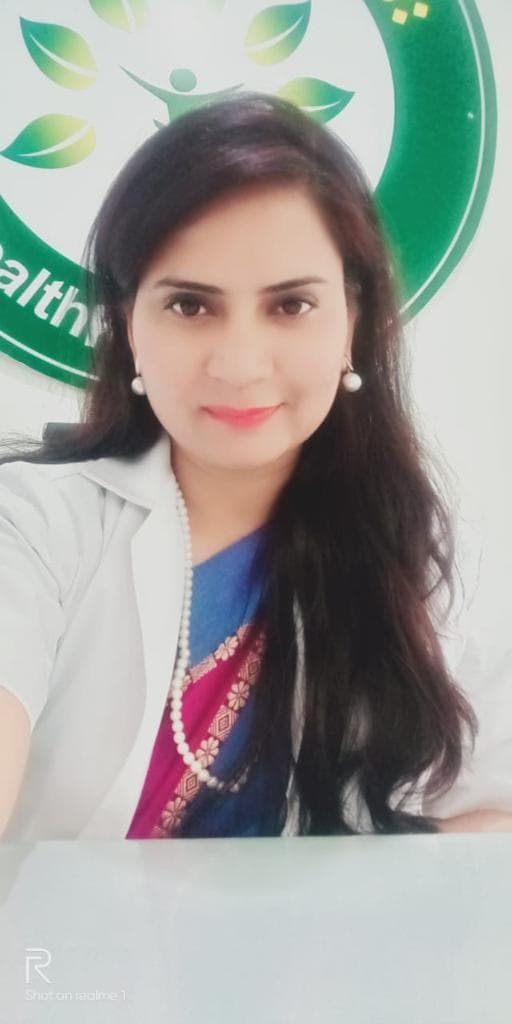
BHMS — Classical Homeopathic PhysicianPublished 15 Mar 2026· Updated 1 Aug 2026
Addiction is a complex health condition driven by individual biology, emotional patterns, and life circumstances. Constitutional homeopathy offers compassionate supportive care alongside specialist addiction services — addressing the anxiety, emotional dysregulation, and co-occurring conditions that sustain the addiction cycle.
Overview
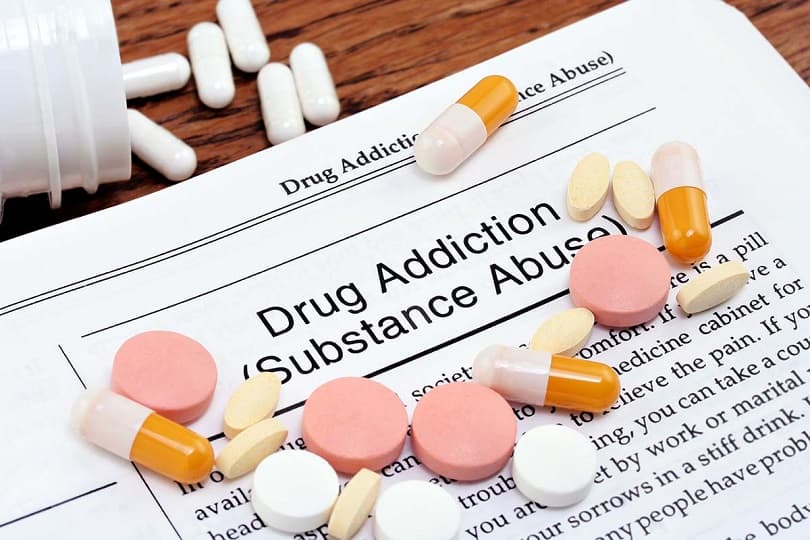
Substance use disorders affect an estimated 35 million people in India, with alcohol, tobacco, cannabis, and opioids being the most commonly misused substances. Addiction is a chronic, relapsing condition — not a failure of willpower — driven by changes in brain chemistry, emotional regulation, and social environment.
At HealthKunj, addiction is treated with the same care and non-judgment as any other health condition. Specialist addiction medicine and psychological services are always the recommended primary treatment. Constitutional homeopathy offers adjunctive support — addressing the anxiety, depression, PTSD, and emotional dysregulation that frequently drive and sustain substance use, and supporting the patient through the long-term process of recovery.
35M
people in India affected by substance use disorders
10%
of those affected receive any form of treatment
98%
Patient satisfaction at HealthKunj
What Is It?
Addiction (Substance Use Disorder) is characterised by compulsive substance use despite negative consequences — driven by changes in brain reward, memory, and impulse control circuits. Common substance use disorders supported at HealthKunj include:
Alcohol Use Disorder
Ranging from harmful use to alcohol dependence — characterised by cravings, loss of control, tolerance, and withdrawal. Medical supervision is essential for detoxification in dependent drinkers.
Tobacco and Nicotine Addiction
Among the most common addictions globally. Constitutional homeopathy can support cessation by addressing anxiety and behavioural patterns alongside established cessation methods.
Cannabis Use Disorder
Increasingly recognised — characterised by persistent use despite social or occupational consequences, withdrawal symptoms (irritability, insomnia, anxiety), and failed cessation attempts.
Other Substance Use Disorders
Including opioid, benzodiazepine, and stimulant use — all requiring specialist medical management alongside constitutional supportive care.
Common Symptoms
Compulsive, uncontrolled use of a substance despite negative consequences
Strong cravings and urges to use the substance
Tolerance — needing increasing amounts to achieve the same effect
Withdrawal symptoms when use is reduced or stopped
Spending large amounts of time obtaining, using, or recovering from the substance
Neglect of work, family, social obligations, or hobbies due to substance use
Continued use despite awareness of physical or psychological harm
Failed attempts to cut down or stop substance use
Using substances in situations where it is physically dangerous
Interpersonal conflicts, relationship damage, or social isolation due to use
Mood disturbances — anxiety, depression, or irritability between episodes of use
Physical consequences — liver damage, respiratory disease, cardiovascular effects
Benefits of Homeopathy for Addiction Recovery
Supportive Adjunct to Specialist Services
Addiction requires specialist addiction medicine services — particularly for alcohol and opioid dependency where withdrawal can be medically dangerous. Homeopathy is offered as transparent adjunctive support alongside appropriate specialist care.
Addresses Cravings and Withdrawal Support
Constitutional homeopathy can help address the emotional and physical patterns underlying cravings — anxiety, restlessness, dysphoria — that drive return to substance use during recovery.
Treats Co-occurring Mental Health Conditions
Addiction very commonly co-occurs with anxiety, depression, PTSD, and ADHD. Constitutional treatment addresses the whole mental health picture — not just the substance use in isolation.
Safe Alongside Addiction Medications
Homeopathic remedies have no pharmacological interactions with naltrexone, buprenorphine, methadone, or other medications used in addiction treatment. They can be safely used alongside medication-assisted treatment.
Supports Emotional Regulation in Recovery
The emotional dysregulation, low distress tolerance, and difficulty managing stress that characterise addiction are addressed through constitutional treatment — supporting the emotional skills needed for sustained recovery.
Non-Judgmental, Compassionate Care
People with addiction often encounter significant stigma in healthcare settings. Homeopathic consultations at HealthKunj are conducted with complete compassion and without moral judgment about substance use.
Our Homeopathic Approach
Safety and Medical Assessment
Dr. Thakur first ensures that medically supervised detoxification is in place for alcohol and opioid dependency, where withdrawal can be dangerous. Homeopathy is not a substitute for medically managed detoxification.
Detailed Constitutional History
The consultation explores the full picture — the substance used, the pattern of use, the emotional and social history, the role the substance plays in managing emotional states, and the co-occurring mental health conditions.
Coordination with Addiction Services
Where a patient is engaged with addiction medicine, an addiction counsellor, or a 12-step programme, homeopathic care is explicitly positioned as adjunctive support within this existing treatment framework.
Constitutional Remedy Prescription
The remedy addresses the constitutional picture — the emotional drivers of use, the craving pattern, the withdrawal symptoms, and the co-occurring mental health conditions that sustain the addiction cycle.
Long-Term Recovery Support
Recovery is measured in years, not weeks. Constitutional treatment is adjusted at each follow-up to track progress, address relapses without judgment, and support the ongoing work of recovery.
Frequently Asked Questions
Can homeopathy help me quit smoking?▾
Constitutional homeopathy can support tobacco cessation — particularly in addressing the anxiety, restlessness, and oral fixation that make stopping difficult. It works best alongside established cessation methods (NRT, varenicline, or behavioural support) rather than as the sole intervention.
Is homeopathy safe alongside methadone or buprenorphine?▾
Yes — homeopathic remedies have no pharmacological interaction with methadone, buprenorphine, or naltrexone. Constitutional treatment can be safely used alongside medication-assisted treatment for opioid use disorder.
Can I detox from alcohol using homeopathy alone?▾
No — alcohol withdrawal can be medically dangerous, including risk of seizure and delirium tremens in dependent drinkers. Medical supervision is essential for alcohol detoxification. Homeopathy cannot substitute for this. If you are alcohol dependent, please seek medical support for detox before considering homeopathic adjunctive care.
Will homeopathy help with the anxiety that makes me want to use substances?▾
Yes — addressing the underlying anxiety, depression, or PTSD that frequently drive substance use is a central goal of constitutional homeopathic prescribing in addiction. Reducing these driving factors supports sustained recovery.
I relapsed — can I still come for treatment?▾
Yes — relapse is part of the recovery process for many people. Constitutional treatment continues without judgment through relapses, with the remedy adjusted to address the current state and continue supporting recovery.
Patient Stories
"I gave up alcohol two years ago with medical help and an AA sponsor. Constitutional homeopathy has been part of my ongoing recovery — it helps with the anxiety that used to make me reach for a drink. I'm in a much more stable place now than I was even a year into sobriety."
✓ Anxiety underlying alcohol use significantly reduced, sustained sobriety supported
Rajesh K., Kharadi
14 months"I smoked for 20 years and tried everything to stop. Constitutional treatment addressed the anxiety that was at the root of my smoking. I used patches as well, but the homeopathic treatment made the psychological part much easier. I've been smoke-free for eight months."
✓ Smoking cessation achieved and maintained at 8 months
Anita P., Baner
6 monthsWhat to Inform Your Doctor
- 1
Substance(s) used — type, quantity, frequency, and route of administration
- 2
Duration of use and pattern — how use has changed over time
- 3
Current stage — active use, reducing, in recovery, or seeking to stop
- 4
Previous detoxification attempts — medical or otherwise, and outcomes
- 5
Current addiction treatment — addiction medicine doctor, counsellor, 12-step, or other programme
- 6
Current medications — particularly any addiction medications (methadone, buprenorphine, naltrexone, disulfiram)
- 7
Co-occurring mental health conditions — anxiety, depression, PTSD, ADHD
- 8
Triggers and high-risk situations — what drives the urge to use
- 9
Social and family context — support network and impact of use on relationships
- 10
Any history of withdrawal complications — seizures, delirium tremens, or hospitalisation
Preparing for Your Appointment
No Judgment Here
Addiction is a health condition, not a moral failing. Everything shared is received with complete compassion and confidentiality.
Medical Safety First
If you are alcohol or opioid dependent, ensure you have medical detox support in place. Please do not attempt to stop without medical supervision.
List All Medications
Including any addiction medications, psychiatric medications, and over-the-counter supplements. Do not stop any medications before your appointment.
Note Your Pattern
What do you use, how much, how often? What triggers use? What have you tried to stop before?
Bring Treatment Letters
If you are under an addiction service or have a psychiatric diagnosis, a brief note of your current care team is helpful.
Allow 75–90 Minutes
Addiction case-taking is detailed and unhurried. Please arrive without time pressure.
Ready to start your healing journey?
Book a consultation with Dr. Meera Thakur at HealthKunj Clinics, Pune.
Book ConsultationTwo ways to consult for Addiction
Dr. Meera Thakur sees patients in person at our Kharadi clinic in Pune, and online by video anywhere in India.
In-clinic — Kharadi, Pune
First Floor, Blue Berry Society, 4, Blue Berry Rd, Tulaja Bhawani Nagar, Kharadi, Pune, Maharashtra 411014
Mon–Sat: 10:30 AM – 2:00 PM & 5:30 PM – 8:30 PM · Sunday: Closed
Book a clinic visitOnline — anywhere in India
A video consultation with the same detailed case-taking as an in-clinic visit. Medicines are couriered to your address.
Book an online consultation