
Skin
Blepharitis — Chronic Eyelid Inflammation

BHMS — Classical Homeopathic PhysicianPublished 15 Mar 2026· Updated 1 Aug 2026
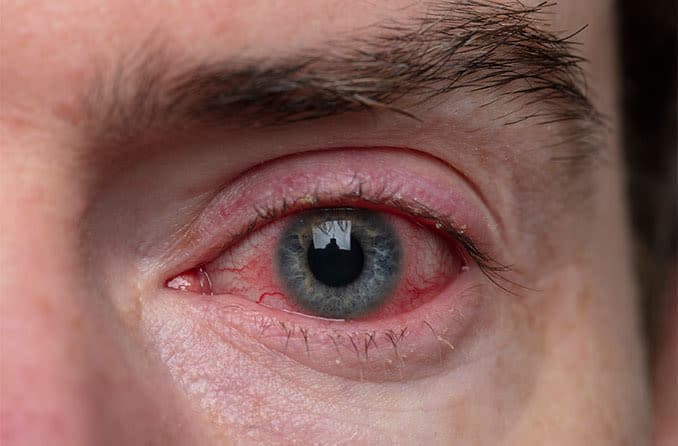
Blepharitis is a chronic inflammatory condition of the eyelid margins — causing persistent redness, crusting, and discomfort. Constitutional homeopathy addresses the underlying seborrhoeic and inflammatory tendency, offering sustained improvement beyond lid hygiene alone.
Overview
Blepharitis is one of the most common ocular conditions encountered in general practice, affecting an estimated 37–47% of patients presenting to eye clinics. Despite its prevalence, conventional management — lid hygiene, topical antibiotics, and short-course steroids — controls symptoms without addressing the underlying inflammatory tendency, leading to a chronic relapsing course.
Constitutional homeopathy offers a systemic approach to the seborrhoeic and immune dysfunction underpinning blepharitis — addressing both the eyelid manifestation and associated skin conditions (seborrhoeic dermatitis, rosacea) that frequently co-exist. It is particularly valuable for patients with recurrent styes and chalazia who experience inadequate control from hygiene measures alone.
47%
of eye clinic patients have blepharitis
Chronic
in most cases — no conventional cure exists
98%
Patient satisfaction at HealthKunj
What Is It?
Blepharitis is inflammation of the eyelid margins, classified by anatomical location into anterior and posterior forms. Both can co-exist and share overlapping treatments:
Anterior Blepharitis
Inflammation of the anterior eyelid margin — around the base of the eyelashes. Caused by Staphylococcus aureus colonisation (staphylococcal blepharitis) or Malassezia seborrhoeic overgrowth (seborrhoeic blepharitis). Characterised by collarette crusts around lash bases.
Posterior Blepharitis (Meibomian Gland Dysfunction)
Inflammation and dysfunction of the meibomian glands — oil-secreting glands within the eyelid that maintain the lipid layer of the tear film. Produces thick, inspissated secretions, frothy tears, and evaporative dry eye. Strongly associated with seborrhoeic dermatitis and acne rosacea.
Demodex Blepharitis
Caused by overpopulation of Demodex folliculorum mites in the eyelash follicles. Characterised by cylindrical collarette crusts at the lash root and associated ocular surface inflammation. More common with increasing age and in immunocompromised individuals.
Common Symptoms
Red, inflamed eyelid margins — particularly noticeable in the morning on waking
Crusting or scaling at the base of eyelashes — greasy (seborrhoeic) or dry and flaky (staphylococcal)
Itching, burning, or stinging along the eyelid margin — often worse on waking
Sensation of a foreign body or grittiness in the eye
Excessive tearing (epiphora) or paradoxically dry, irritated eyes
Light sensitivity (photophobia) during flares
Recurrent styes (hordeola) — acute, painful, localised infections of eyelid glands
Chalazia — chronic, painless swellings from blocked meibomian glands
Loss of eyelashes (madarosis) or misdirected eyelashes (trichiasis) in chronic, severe disease
Foam or frothy appearance in the tear film at the inner canthus
Associated seborrhoeic dermatitis of the scalp and face in posterior blepharitis
Benefits of Homeopathy for Blepharitis
Addresses the Chronic Inflammatory Tendency
Blepharitis is a chronic relapsing condition with no conventional cure — lid hygiene controls but does not eliminate the underlying inflammation. Constitutional homeopathy addresses the systemic inflammatory and immune tendency responsible for the chronic course.
Reduces Stye and Chalazion Recurrence
Recurrent styes and chalazia reflect the same meibomian gland dysfunction and inflammatory predisposition as blepharitis. Constitutional treatment addresses the underlying tendency, reducing the frequency of these recurrent lid complications.
Treats Associated Seborrhoeic Dermatitis
Posterior blepharitis is closely associated with seborrhoeic dermatitis of the scalp and face. Constitutional treatment addresses both the eyelid and skin manifestations of the same underlying seborrhoeic tendency simultaneously.
Relieves Morning Symptoms and Crusting
The accumulation of crusts and inflammatory debris on the eyelid margins overnight is one of the most distressing features of blepharitis. Constitutional remedies can significantly reduce this build-up, improving morning comfort.
Supports Meibomian Gland Function
Posterior blepharitis involves dysfunction of the meibomian glands — reducing the lipid component of the tear film and causing evaporative dry eye. Constitutional treatment can improve gland secretion quality and reduce associated dry eye symptoms.
Safe for Long-Term Use Near the Eye
Topical antibiotic ointments and steroid eye preparations carry risks with prolonged use near the eye — including raised intraocular pressure with steroids. Constitutional homeopathy avoids these risks entirely.
Our Homeopathic Approach
Detailed Eyelid and Eye History
Dr. Thakur documents the duration, character, and distribution of blepharitis — anterior versus posterior, staphylococcal versus seborrhoeic — alongside the frequency of styes, chalazia, and associated dry eye symptoms.
Assessing Associated Skin and Systemic Conditions
Blepharitis frequently co-exists with seborrhoeic dermatitis, acne rosacea, and demodex infestation. The broader skin and systemic picture guides constitutional remedy selection beyond the eyelid alone.
Constitutional Remedy Prescription
The remedy addresses the patient's seborrhoeic or inflammatory tendency, skin type, thermal sensitivity, and the specific character of the eyelid inflammation — not just the local symptoms in isolation.
Lid Hygiene and Warm Compress Guidance
Lid hygiene — warm compresses, lid massage, and gentle cleaning of the eyelid margins — remains an essential component of blepharitis management alongside constitutional treatment. Practical guidance is provided at every consultation.
Regular Follow-Up and Adjustment
Follow-up consultations at 6–8 week intervals monitor the frequency of styes and chalazia, the severity of lid margin inflammation, and dry eye symptoms. The remedy is adjusted as the clinical picture evolves.
Frequently Asked Questions
Can blepharitis be cured permanently?▾
Blepharitis is a chronic condition that can be well controlled but rarely eliminated permanently by any treatment. The goal of constitutional homeopathy is to significantly reduce the frequency and severity of flares, reduce stye and chalazion recurrence, and improve baseline eyelid health — achieving sustained remission rather than repeated cycles of treatment.
Should I continue lid hygiene when taking homeopathic treatment?▾
Yes — lid hygiene (warm compresses and gentle lid margin cleaning) is an essential component of blepharitis management and should be continued regardless of treatment type. Constitutional homeopathy works alongside lid hygiene rather than replacing it.
I keep getting styes. Can homeopathy stop them coming back?▾
Recurrent styes (hordeola) respond particularly well to constitutional homeopathy. The underlying meibomian gland dysfunction and inflammatory tendency that predispose to styes can be addressed constitutionally — many patients with recurrent styes experience significantly reduced frequency after several months of treatment.
Is blepharitis related to rosacea?▾
Yes — ocular rosacea is closely associated with posterior blepharitis and meibomian gland dysfunction. The same constitutional treatment that addresses the rosacea skin manifestations often simultaneously improves the associated blepharitis, making this a condition particularly suited to constitutional homeopathy.
My child has blepharitis and keeps getting styes. Is homeopathy safe for children?▾
Yes — constitutional homeopathy is safe and effective for children with blepharitis and recurrent styes. It is a particularly suitable approach in children, given the limitations on prolonged antibiotic ointment use in young patients.
Can blepharitis cause permanent eye damage?▾
In most cases, blepharitis causes discomfort but not permanent vision loss. However, severe chronic blepharitis can contribute to corneal scarring, chronic dry eye, and — in trichiasis — corneal abrasion. Any visual changes, significant eye pain, or marked worsening should be evaluated urgently by an ophthalmologist.
Patient Stories
"I had blepharitis for five years — my eyelids were red and crusted every morning, and I was getting styes nearly every other month. After six months of constitutional treatment, the morning crusting is minimal and I've had only one stye in the whole treatment period. My eyes feel genuinely better."
✓ Chronic blepharitis and recurrent styes significantly improved
Sharmila N., Pimple Saudagar
6 months"The burning and grittiness in my eyes was constant — particularly in air-conditioned offices. Lid hygiene helped a little but not enough. Constitutional treatment addressed the root issue and my symptoms have reduced dramatically. I can work comfortably now without constant eye irritation."
✓ Chronic lid inflammation and dry eye symptoms greatly relieved
Nikhil R., Wakad
5 monthsWhat to Inform Your Doctor
- 1
Duration of blepharitis — when it first appeared and whether it has been continuous or relapsing-remitting
- 2
Dominant symptoms — morning crusting, itching, burning, grittiness, foreign body sensation, or tearing
- 3
Frequency and distribution of styes — which eyelid, upper or lower, and how long between episodes
- 4
Any history of chalazia — whether treated surgically or resolved spontaneously
- 5
Associated skin conditions — seborrhoeic dermatitis, acne rosacea, or other inflammatory skin conditions
- 6
Eye drops or ointments used — lubricant drops, antibiotic ointments, steroid preparations — and their effectiveness
- 7
Contact lens use — blepharitis worsens with contact lens wear and affects lens tolerance significantly
- 8
Demodex infestation history — whether assessed or treated by an ophthalmologist
- 9
Dry eye symptoms — severity, timing, and any formal dry eye assessment or treatment
- 10
Current lid hygiene routine — frequency and type of cleaning used
Preparing for Your Appointment
Photograph Your Eyelids
Clear photographs of the eyelid margins — taken in good lighting — showing crusting, redness, or swelling are very helpful for assessment, particularly during an active flare.
List Eye Drops and Ointments
Note all eye preparations you currently use — lubricant drops, antibiotic ointments, or anti-inflammatory drops — including how often you use them and how helpful they are.
Note the Stye Pattern
How frequently do styes occur? Which eyelid? Do they resolve with a warm compress or require incision? This pattern significantly guides remedy selection.
Describe Your Lid Hygiene Routine
Note what lid hygiene you currently do — warm compresses, cotton bud cleaning, commercial lid wipes — and how consistently you manage it.
Bring Ophthalmology Reports
If you have been seen by an ophthalmologist for blepharitis, meibomian gland dysfunction, or dry eye — bring any clinical letters or reports. Formal dry eye assessments are particularly useful.
Allow 45–60 Minutes
A thorough constitutional history is needed, including the broader skin and systemic picture that guides blepharitis treatment. Plan for an unhurried first consultation.
Ready to start your healing journey?
Book your consultation with Dr. Meera Thakur at HealthKunj Clinics, Pune.
Book Your ConsultationTwo ways to consult for Blepharitis
Dr. Meera Thakur sees patients in person at our Kharadi clinic in Pune, and online by video anywhere in India.
In-clinic — Kharadi, Pune
First Floor, Blue Berry Society, 4, Blue Berry Rd, Tulaja Bhawani Nagar, Kharadi, Pune, Maharashtra 411014
Mon–Sat: 10:30 AM – 2:00 PM & 5:30 PM – 8:30 PM · Sunday: Closed
Book a clinic visitOnline — anywhere in India
A video consultation with the same detailed case-taking as an in-clinic visit. Medicines are couriered to your address.
Book an online consultation