
Women's Health
Endometriosis — Homeopathic Care

BHMS — Classical Homeopathic PhysicianPublished 19 Jul 2026· Updated 1 Aug 2026
Constitutional homeopathic support for endometriosis-related pain and inflammation — used alongside your gynaecologist's diagnosis and care, not as a replacement for it.
Overview
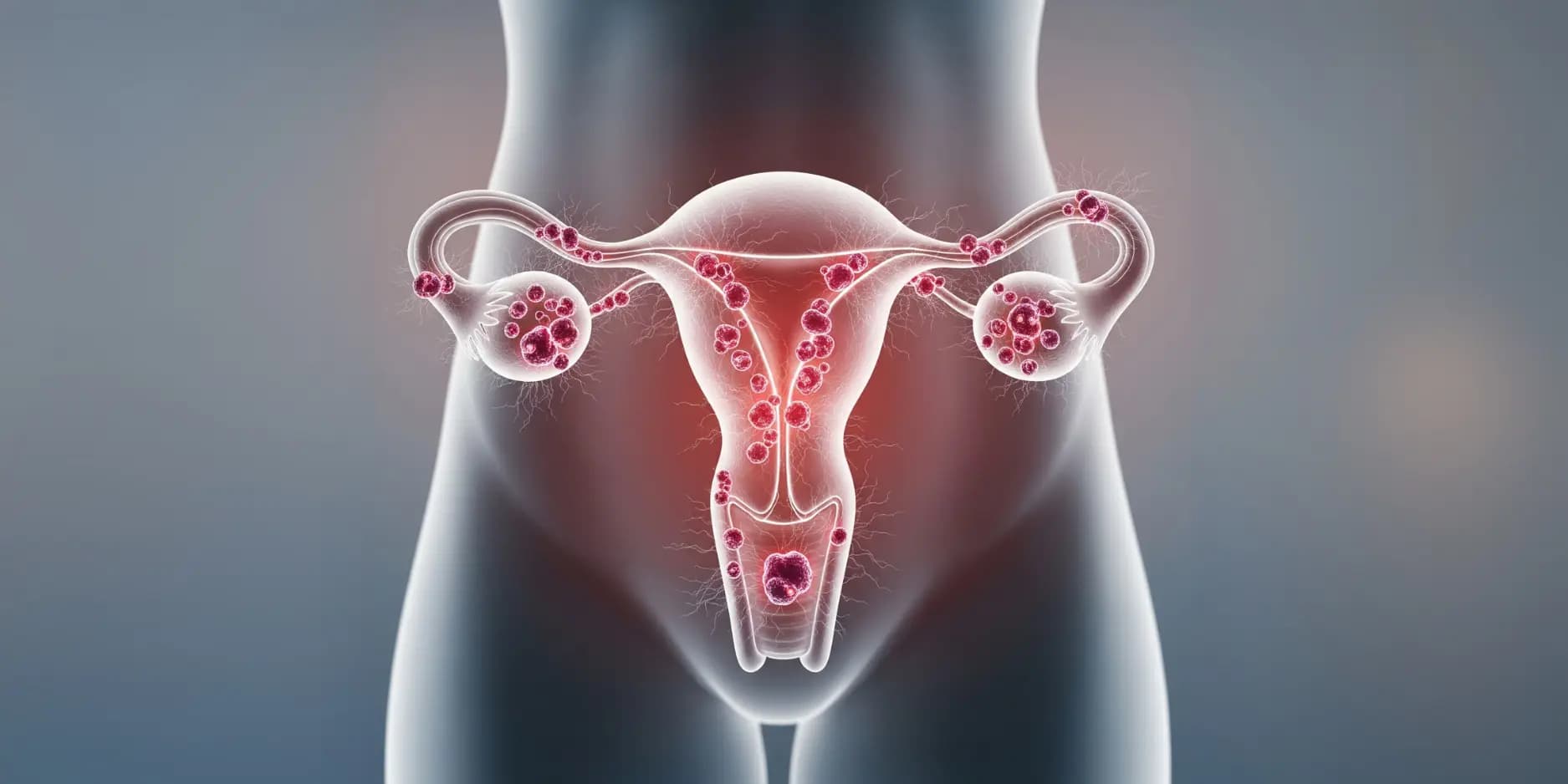
Endometriosis is a chronic condition where tissue similar to the uterine lining grows outside the uterus — most often on the ovaries, fallopian tubes, and pelvic lining. It affects an estimated 1 in 10 women of reproductive age and is a leading cause of chronic pelvic pain and, in some cases, infertility.
At HealthKunj, we approach endometriosis as a chronic, whole-person condition rather than a set of isolated symptoms to suppress. Constitutional homeopathic treatment is used alongside your gynaecologist's diagnosis, imaging, and — where clinically necessary — surgical care, with the goal of reducing pain, easing inflammation, and improving day-to-day quality of life.
1 in 10
Women of reproductive age affected by endometriosis
6+ mo
Typical course for sustained homeopathic support
98%
Patient satisfaction at HealthKunj
What Is It?
Endometrial-like tissue growing outside the uterus responds to the hormonal cycle just as the uterine lining does — thickening, breaking down, and bleeding each month. Because this tissue has no way to leave the body, it causes inflammation, scarring, and adhesions over time. Presentation varies widely, from mild cyclical discomfort to severe, disabling pain.
Superficial Peritoneal Endometriosis
The most common and typically mildest form — implants on the pelvic lining causing inflammation and cyclical pain.
Ovarian Endometriosis (Endometrioma)
Cysts filled with old blood ('chocolate cysts') form on the ovaries, which can affect ovarian reserve and fertility.
Deep Infiltrating Endometriosis
The most severe form, where tissue penetrates deeper structures — bowel, bladder, or the space between the vagina and rectum — often requiring surgical management.
Common Symptoms
Severe, progressively worsening pain during menstruation (dysmenorrhoea)
Chronic pelvic pain that persists outside of periods
Pain during or after intercourse (dyspareunia)
Pain with bowel movements or urination, especially during periods
Heavy menstrual bleeding or bleeding between periods
Fatigue and low energy that worsen around menstruation
Bloating and gastrointestinal discomfort (sometimes mistaken for IBS)
Difficulty conceiving or diagnosed infertility
Lower back pain that follows a cyclical pattern
Painful ovulation at mid-cycle
How Homeopathy Can Help
Manages Pain Without Long-Term Hormonal Suppression
Conventional management often relies on continuous hormonal therapy to suppress periods. Constitutional homeopathy aims to reduce pain and inflammation without that ongoing hormonal load, and can be used alongside conventional treatment.
Addresses the Inflammatory Component
Endometriosis has a significant inflammatory and immune-related component. Constitutional remedies are selected to work with this underlying susceptibility, not just the pain at the time of your period.
Adjunct to Conventional Gynaecological Care
Homeopathy is used here as a complement to your gynaecologist's monitoring and treatment plan — not a replacement for diagnosis, imaging, or surgery when that is clinically indicated.
Supports Quality of Life Between Flares
Fatigue, bloating, and mood changes that accompany chronic pelvic pain are addressed as part of the overall case, not treated as separate, unrelated complaints.
Individualised to Your Presentation
Endometriosis presents very differently from person to person — pain pattern, cycle characteristics, and associated symptoms all shape which constitutional remedy is selected.
Our Homeopathic Approach
Detailed Case History
Dr. Meera records your complete pain pattern — timing, severity, triggers, associated bowel/bladder symptoms — alongside your menstrual and fertility history.
Review of Diagnosis & Reports
Any laparoscopy findings, ultrasound (including for endometriomas), or existing gynaecological diagnosis are reviewed to understand the extent and stage of your condition.
Constitutional Remedy Selection
A remedy is chosen based on your complete symptom picture — physical, hormonal, and emotional — aimed at reducing pain and inflammatory activity over successive cycles.
Cycle-by-Cycle Monitoring
Pain intensity, bleeding pattern, and quality of life are tracked cycle over cycle, with potency and remedy adjusted as your case evolves.
Coordinated Care
We encourage continued follow-up with your gynaecologist, particularly for imaging and fertility monitoring — homeopathic treatment works alongside that care, not in isolation from it.
Frequently Asked Questions
Can homeopathy cure endometriosis?▾
Endometriosis is a chronic gynaecological condition, and no treatment — conventional or homeopathic — can promise a permanent cure. What constitutional homeopathy aims for is meaningful reduction in pain and inflammation, and better quality of life, often alongside your gynaecologist's ongoing care.
Can I take homeopathic treatment alongside hormonal therapy or after surgery?▾
Yes. Homeopathic treatment does not interfere with hormonal medication or post-surgical recovery, and many patients use it alongside conventional management. We recommend continuing to see your gynaecologist for monitoring.
Will this help me conceive?▾
Endometriosis-related infertility has multiple causes, and outcomes vary widely by individual case and severity. We do not promise fertility outcomes — please discuss fertility planning directly with your gynaecologist or a fertility specialist alongside any homeopathic treatment.
How soon can I expect pain relief?▾
Many patients notice some reduction in pain intensity within 2–3 menstrual cycles, though endometriosis is a chronic condition and sustained improvement typically takes longer — often 6 months or more of consistent treatment.
Do I still need imaging or laparoscopy if I choose homeopathic treatment?▾
Yes. Diagnosis and staging of endometriosis relies on imaging and, in some cases, laparoscopy. We work from your existing diagnosis and recommend continuing any imaging your gynaecologist advises.
Patient Stories
"I'd been on painkillers every cycle for years. After starting with Dr. Meera alongside my gynaecologist's monitoring, the pain became manageable without needing medication every month."
✓ Significant reduction in period pain over 5 months
Sneha Kulkarni
Patient since 2023 · Kharadi"What I appreciated most was that Dr. Meera never told me to stop seeing my gynaecologist — the two approaches worked together. My energy levels between periods have improved a lot."
✓ Improved energy and fewer pain-related sick days
Priyanka Deshmukh
Patient since 2022 · Viman NagarWhat to Inform Your Doctor
- 1
Any existing diagnosis of endometriosis, including stage if known
- 2
Laparoscopy or ultrasound reports, including any endometrioma findings
- 3
Pain pattern — timing, severity, and what makes it better or worse
- 4
Current medications, including hormonal therapy or pain relief
- 5
Any fertility concerns or plans, and related consultations
- 6
Bowel or bladder symptoms that occur around your period
- 7
Family history of endometriosis or other gynaecological conditions
- 8
Impact of symptoms on daily activity, work, and emotional wellbeing
Preparing for Your Appointment
Track Your Pain Pattern
Note when pain starts and peaks relative to your cycle, its character, and what relieves or worsens it, for at least one full cycle before your visit.
Bring Your Diagnostic Reports
Carry any laparoscopy report, ultrasound imaging, or gynaecologist's notes documenting your diagnosis and stage, if available.
List Current Medications
Include hormonal therapy, pain relief, and any supplements you're currently taking.
Prepare Your Questions
Write down what matters most to you — pain management, fertility, or reducing reliance on medication — so we can focus the consultation accordingly.
Ready to start your healing journey?
Book a consultation with Dr. Meera Thakur at HealthKunj Clinics, Pune.
Book Your Consultation