
Skin
Fungal Infection — Treating the Susceptibility

BHMS — Classical Homeopathic PhysicianPublished 15 Mar 2026· Updated 1 Aug 2026
Tinea, ringworm, and dermatophytosis are among the most common skin infections — and among the most persistently recurrent. Constitutional homeopathy addresses the underlying immune predisposition that allows these infections to repeatedly establish, offering a lasting solution beyond repeated antifungal courses.
Overview
Dermatophyte fungal infections affect over 20–25% of the world's population, making them the most prevalent infectious skin condition globally. In India, the warm and humid climate — combined with rising rates of diabetes and antibiotic use — has led to an epidemic of chronic, recurrent, and treatment-resistant tinea infections in recent years.
Antifungal medications are effective at clearing acute infections but do not prevent recurrence in constitutionally susceptible individuals. Constitutional homeopathy targets this susceptibility — addressing the immune terrain that allows fungi to repeatedly gain a foothold — offering lasting improvement beyond repeated courses of antifungals.
25%
of the global population affected by dermatophytosis
40%+
recurrence rate after single antifungal course
98%
Patient satisfaction at HealthKunj
What Is It?
Fungal skin infections are caused by dermatophyte fungi — organisms that infect keratinised tissues including skin, hair, and nails. The major dermatophyte genera are Trichophyton, Microsporum, and Epidermophyton. Different species cause infections at different body sites, each given a clinical name based on location:
Dermatophytosis (Tinea)
Infections by true dermatophyte fungi affecting skin (corporis, cruris, pedis, manuum), scalp (capitis), and nails (unguium). India has seen a significant rise in tinea with reduced sensitivity to standard antifungals — making constitutional approaches increasingly relevant.
Tinea Versicolor (Pityriasis Versicolor)
Caused by Malassezia yeast — a normal skin inhabitant that overgrows under warm, humid conditions, producing hypopigmented or brownish patches on the trunk. Not a dermatophyte infection but responds to similar constitutional treatment principles.
Candidal Skin Infection
Candida albicans causes moist, red, itchy eruptions in skin folds — under the breasts, in the axillae, groin, and between fingers. Associated with diabetes, obesity, and antibiotic use. Constitutional treatment addresses the metabolic and immune predisposition.
Common Symptoms
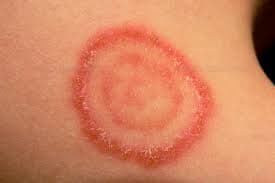
Tinea corporis (ringworm) — circular, ring-shaped, scaly patches with a clear centre and active, raised, itchy border
Tinea cruris (jock itch) — red, itchy, scaly rash in the groin, inner thighs, and perianal region
Tinea pedis (athlete's foot) — scaling, maceration, and itching between the toes; dry scaling on the soles
Tinea capitis (scalp ringworm) — scaly, inflamed patches on the scalp with hair breakage or loss in children
Tinea unguium (onychomycosis) — nail thickening, yellowing, crumbling, and subungual debris in toenails or fingernails
Tinea versicolor — hypopigmented or hyperpigmented, fine-scaling patches on the trunk and upper arms
Intense itching that worsens with heat, sweating, and humid conditions
Vesicles or pustules at the border of active lesions in inflammatory tinea
Secondary bacterial infection from scratching — oozing, crusting, and increased inflammation
Recurrence in the same sites despite repeated antifungal courses — suggesting immune susceptibility
Kerion formation — painful, boggy, inflammatory mass on the scalp in tinea capitis
Benefits of Homeopathy for Fungal Infections
Addresses Constitutional Susceptibility to Fungal Infection
Repeated fungal infections despite antifungal treatment suggest an underlying immune or constitutional susceptibility. Constitutional homeopathy addresses this predisposition — aiming to reduce the frequency and severity of recurrent infections.
Targets Chronic and Recurrent Tinea
Many patients experience repeated tinea infections that respond to antifungals only temporarily. Constitutional treatment works to modify the immune terrain that allows the fungus to repeatedly establish infection.
Treats Nail Fungus Gently
Onychomycosis (nail fungus) responds poorly to topical antifungals and requires prolonged systemic antifungal therapy with potential hepatotoxicity. Constitutional homeopathy offers a gentler systemic approach for early to moderate nail involvement.
Reduces Inflammation and Itching
The intense pruritus and inflammatory response associated with active tinea — particularly tinea cruris and pedis — can be addressed alongside antifungal treatment, providing symptomatic relief more rapidly.
Suitable as Adjunct to Antifungal Therapy
Constitutional homeopathy can be used alongside conventional antifungal medication — working on the immune susceptibility while antifungals target the active infection — improving overall treatment outcomes.
Safe for Patients with Liver Concerns
Patients who cannot tolerate systemic antifungals due to liver disease or drug interactions may benefit from constitutional homeopathy as an alternative approach, particularly for dermatophytosis of skin (as opposed to nail disease).
Our Homeopathic Approach
Full Fungal Infection History
Dr. Thakur documents the site, duration, and pattern of fungal infections — including frequency of recurrence, response to antifungals, and any recent treatment. The pattern of susceptibility is as important as the current infection.
Identifying Predisposing Factors
Diabetes, immunosuppression, prolonged antibiotic use, excessive sweating, obesity, and occupational exposures all predispose to fungal infections. These factors are explored and addressed alongside constitutional treatment where possible.
Constitutional Remedy Prescription
The remedy is selected based on the patient's immune constitution, skin type, thermal sensitivity, recurrence pattern, and associated systemic characteristics — aiming to strengthen the immune response against dermatophyte infection.
Hygiene and Environmental Guidance
Practical guidance on reducing re-exposure and preventing autoinoculation — footwear hygiene, moisture control, avoiding shared items — is provided as an essential adjunct to constitutional treatment.
Follow-Up and Recurrence Prevention
Follow-up consultations at 6–8 week intervals assess resolution of active infection and monitor for recurrence. Constitutional treatment is sustained for several months after clinical clearance to reduce the likelihood of relapse.
Frequently Asked Questions
Can I use antifungal creams alongside homeopathic treatment?▾
Yes — there are no interactions between antifungal medications and homeopathic remedies. For active, established fungal infections, antifungal treatment provides immediate antimicrobial action while constitutional homeopathy addresses the underlying susceptibility. Both can be used concurrently.
Why do I keep getting fungal infections even after treatment?▾
Recurrent tinea suggests a constitutional susceptibility — often linked to immune function, metabolic health (particularly uncontrolled diabetes), or persistent environmental re-exposure. Constitutional homeopathy is specifically valuable in this scenario, targeting the predisposition rather than just the individual infection.
Can homeopathy treat nail fungus (onychomycosis)?▾
Constitutional treatment can be tried for early to moderate nail fungal infection, particularly when systemic antifungals are contraindicated or when patients prefer a gentler approach. Severe, long-standing onychomycosis with complete nail involvement typically responds better to systemic antifungal therapy. Results with homeopathy are gradual and require 6–12 months of treatment.
Is tinea the same as ringworm? Is it really a worm?▾
Ringworm is a misleading term — it is not caused by a worm, but by dermatophyte fungi (Trichophyton, Microsporum, or Epidermophyton species). The name comes from the ring-shaped appearance of the rash. Tinea is the clinical term for dermatophyte skin infections, with different names depending on the body site affected.
Does stress worsen fungal infections?▾
Yes — psychological stress impairs cell-mediated immunity, including the Th1 immune response responsible for clearing fungal infections. Constitutionally susceptible individuals may notice that fungal flares coincide with periods of stress. Constitutional homeopathy addresses this immune-stress relationship.
Is tinea versicolor the same as a fungal infection?▾
Tinea versicolor (pityriasis versicolor) is caused by Malassezia furfur — a yeast that is part of the normal skin flora but overgrows under certain conditions (heat, humidity, oily skin, or immunosuppression). It is a distinct condition from dermatophyte tinea but responds similarly to both conventional antifungals and constitutional homeopathy.
Patient Stories
"I had tinea cruris recurring every few months for two years. Every time I finished the antifungal course it would come back within 6–8 weeks. After six months of constitutional treatment, I have not had a recurrence — it's now been almost a year since the last episode."
✓ Recurrent tinea cruris — no relapse for 10 months
Rahul M., Hadapsar
6 months"My nail fungus had been there for three years. I didn't want to take oral antifungals because of my liver enzymes. The constitutional treatment gradually improved the nail — it's about 70% better now and still improving. The surrounding skin infection also cleared completely."
✓ Nail onychomycosis significantly improved without systemic antifungals
Sneha T., Kothrud
9 monthsWhat to Inform Your Doctor
- 1
Sites currently affected by fungal infection — and all sites that have been affected previously
- 2
Duration of current infection and how many times it has recurred
- 3
Previous antifungal treatments — topical and oral — and how effective they were
- 4
History of diabetes or elevated blood sugar — a major predisposing factor for recurrent tinea
- 5
Occupational exposures — working in hot, humid environments; public showers or pools; shared equipment
- 6
Immunosuppressive medications — steroids, DMARDs, or other immunosuppressants
- 7
History of prolonged antibiotic use — which can disrupt the skin microbiome and promote fungal overgrowth
- 8
Associated symptoms — excessive sweating, obesity, or other skin conditions
- 9
Nail involvement — which nails, severity, and duration of nail changes
- 10
Skin type and tendency to sweat — relevant to constitutional selection and recurrence risk
Preparing for Your Appointment
Photograph Active Lesions
Clear photographs of the rash — showing the ring-3 shape, scale, and distribution — are very helpful for case assessment, particularly if lesions come and go.
Bring Blood Sugar Results
If you have had a recent fasting blood sugar or HbA1c, bring the report. If not, Dr. Thakur may recommend testing — uncontrolled diabetes is the leading cause of recurrent tinea.
List All Antifungal Treatments Used
Note which antifungal creams or tablets you have used, the duration, and whether each course cleared the infection or only partially controlled it.
Assess Your Footwear and Hygiene
Tinea pedis and nail fungus are closely linked to footwear hygiene. Note whether you use public changing rooms, swimming pools, or share footwear.
List Current Medications
Include all medications — particularly steroids, immunosuppressants, or long-term antibiotics that may predispose to fungal overgrowth.
Allow 45–60 Minutes
A thorough constitutional and recurrence history is needed. Plan for an unhurried first consultation.
Ready to start your healing journey?
Book your consultation with Dr. Meera Thakur at HealthKunj Clinics, Pune.
Book Your ConsultationTwo ways to consult for Fungal Infection
Dr. Meera Thakur sees patients in person at our Kharadi clinic in Pune, and online by video anywhere in India.
In-clinic — Kharadi, Pune
First Floor, Blue Berry Society, 4, Blue Berry Rd, Tulaja Bhawani Nagar, Kharadi, Pune, Maharashtra 411014
Mon–Sat: 10:30 AM – 2:00 PM & 5:30 PM – 8:30 PM · Sunday: Closed
Book a clinic visitOnline — anywhere in India
A video consultation with the same detailed case-taking as an in-clinic visit. Medicines are couriered to your address.
Book an online consultation