
Skin
Acne & Hormonal Breakouts
BHMS — Classical Homeopathic PhysicianPublished 15 Mar 2026· Updated 1 Aug 2026
Homeopathy addresses acne at its hormonal and constitutional root — delivering lasting clear skin without antibiotics, steroids, or harsh topicals.
Overview
Acne vulgaris is the most common skin condition globally, affecting an estimated 85% of people between the ages of 12 and 24, and increasingly prevalent in adults — particularly women — well into their 30s and 40s. In India, acne is compounded by factors including high humidity, dietary patterns, and widespread PCOS prevalence. Beyond the skin, acne carries a significant psychological burden: studies consistently link active acne to depression, anxiety, and reduced quality of life.
At HealthKunj, Dr. Meera Thakur treats acne as a systemic condition — one that reflects internal hormonal, digestive, and immune imbalances manifesting on the skin. Rather than suppressing sebum production or killing bacteria in isolation, constitutional homeopathy corrects the underlying predisposition that makes skin prone to chronic breakouts. The result is a progressive, durable clearing of the skin from within.
85%
People affected by acne at some point
2–4 mo
Typical onset of improvement
98%
Patient satisfaction at HealthKunj
What Is It?
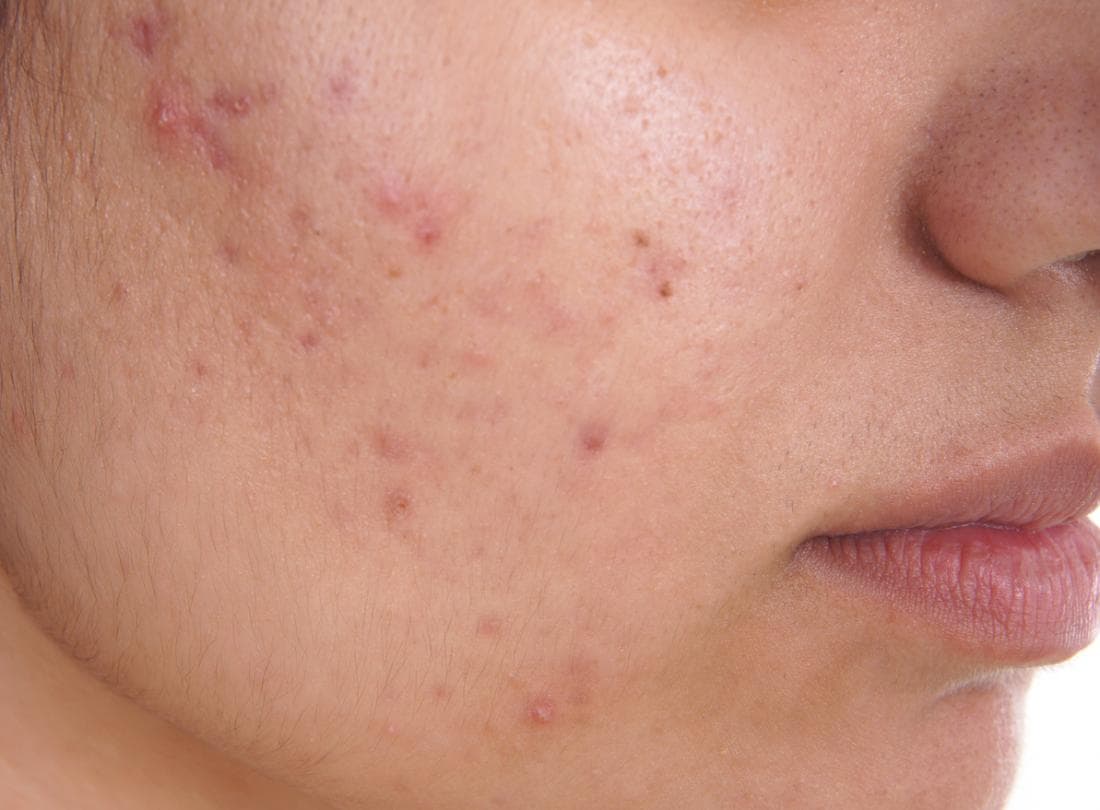
Acne develops when hair follicles become clogged with sebum (oil) and dead skin cells, creating an environment where Cutibacterium acnes bacteria proliferate and trigger inflammation. Androgens (male hormones present in both sexes) stimulate sebaceous glands, which is why acne peaks during puberty and in conditions of hormonal excess such as PCOS. The interplay between hormones, the skin microbiome, diet, stress, and genetic susceptibility makes acne a complex, multifactorial condition.
Comedonal Acne
Non-inflammatory acne consisting of blackheads and whiteheads. Often the earliest form seen in adolescence. Responds well to gentle topical and constitutional treatment.
Inflammatory Acne
Papules and pustules with visible redness and inflammation. More painful than comedonal acne and associated with a higher risk of post-inflammatory hyperpigmentation.
Nodulocystic Acne
The most severe form — large, painful, deep lesions that frequently scar. Requires prompt and consistent constitutional treatment and may benefit from co-management with a dermatologist.
Common Symptoms
Painful, inflamed red pimples on the face, chest, or back
Blackheads (open comedones) and whiteheads (closed comedones)
Deep, painful nodular or cystic acne below the skin surface
Hormonal breakouts around the jaw, chin, and neck
Oily skin prone to repeated breakouts
Post-acne scarring — pitted, rolling, or icepick scars
Hyperpigmented dark marks remaining after spots heal
Acne flaring before menstrual periods
Breakouts triggered by stress, diet, or cosmetics
Acne on the back and shoulders (truncal acne)
Tenderness and swelling around active lesions
Benefits of Homeopathy for Acne
Hormonal Rebalancing
Homeopathy addresses the hormonal imbalances — excess androgens, insulin resistance, or thyroid dysfunction — that drive persistent hormonal acne, particularly in women with PCOS.
Reduces Inflammation Without Antibiotics
Long-term antibiotic use for acne promotes resistance and disrupts gut health. Constitutional homeopathy reduces skin inflammation and bacterial overgrowth without these drawbacks.
Prevents Scarring
By reducing the severity of active acne early and effectively, homeopathy minimises the risk of the deep inflammation that leads to permanent scarring.
Safe for Adolescents
Teenagers and young adults can safely use homeopathic treatment long-term without the side effects associated with isotretinoin (dryness, liver stress, mood changes).
Treats the Gut-Skin Connection
Homeopathy recognises the intimate link between digestive health and skin. Remedies selected for the full constitutional picture often improve gut function alongside skin clarity.
Addresses Emotional Impact
Acne significantly affects self-esteem and mental health. Constitutional treatment considers the emotional state of the patient — anxiety, social withdrawal, or perfectionism — which can themselves perpetuate hormonal breakouts.
Our Homeopathic Approach
Full Constitutional & Hormonal History
Dr. Meera takes a detailed history covering the onset, pattern, and triggers of acne; menstrual irregularity or PCOS; dietary habits; gut health; stress levels; and the emotional impact of the condition.
Acne Typing & Severity Assessment
The type of acne — comedonal, inflammatory, nodulocystic, or hormonal — and its distribution guide the selection of appropriate homeopathic remedies alongside the constitutional picture.
Individualised Remedy Prescription
Remedies such as Pulsatilla, Sulphur, Natrum Muriaticum, Silicea, Berberis Aquifolium, or Kali Bromatum are prescribed based on the complete symptom picture — never based on acne alone.
Dietary & Skincare Guidance
Dr. Meera provides evidence-based dietary guidance (reducing high-glycaemic foods, dairy, and processed sugar) and a minimal, non-comedogenic skincare routine to support the healing process.
Staged Follow-Up & Scar Management
Active acne is addressed first. As breakouts reduce, the treatment focus shifts to fading post-acne marks and improving skin texture, with remedy adjustments at each stage.
Frequently Asked Questions
Can homeopathy treat severe cystic acne?▾
Yes. Cystic and nodular acne, while more challenging than mild comedonal acne, responds to constitutional homeopathic treatment. Patients with severe acne may require 6–12 months of consistent treatment. In very severe cases, Dr. Meera may recommend co-management with a dermatologist while the homeopathic treatment builds its effect.
Will I need to stop my current acne medication?▾
No — homeopathic treatment can run alongside your existing medications. Over time, as your skin improves, Dr. Meera guides you in gradually tapering conventional medicines if and when appropriate.
My acne is only hormonal — will homeopathy help?▾
Hormonal acne (cyclical, jaw-line breakouts linked to menstrual cycles or PCOS) responds particularly well to constitutional homeopathy, which addresses the underlying hormonal imbalance rather than just suppressing surface symptoms.
How long before I see clear skin?▾
Mild to moderate acne typically improves significantly within 2–4 months. Severe or chronic acne may take 6–12 months for substantial clearance. Post-acne marks take an additional 3–6 months to fade.
Does diet really affect acne?▾
Yes — research consistently links high-glycaemic diets, excess dairy, and processed foods to acne severity. Dr. Meera provides individualised dietary guidance as part of every acne treatment plan.
Can homeopathy help with acne scars?▾
Homeopathy can improve the healing of post-acne marks and mild scars as part of constitutional treatment. Deeper pitted scars (icepick, boxcar) may benefit from additional dermatological procedures — Dr. Meera will advise on this based on your presentation.
Patient Stories
"I had cystic acne on my jawline every single month before my periods. Two courses of antibiotics made no lasting difference. After 5 months of homeopathic treatment, my hormonal breakouts reduced by 80% and my skin is the clearest it has been in 5 years."
✓ Hormonal acne reduced by 80%; clear skin maintained
Riya Kulkarni
Patient since 2023 · Magarpatta, Pune"I had back acne and severe face acne from age 16 to 22. I was too scared to try isotretinoin after reading about side effects. Homeopathy cleared my skin gradually — by month 7 I was nearly acne-free and my confidence came back completely."
✓ Acne cleared without isotretinoin; no relapse in 18 months
Arjun Pawar
Patient since 2022 · Wagholi, PuneWhat to Inform Your Doctor
- 1
When acne first appeared and whether it has changed in pattern or severity over time
- 2
Exact locations — face (which zone), chest, back, shoulders
- 3
Whether breakouts are linked to menstrual cycles, stress, specific foods, or sleep
- 4
All current and past treatments — antibiotics, topical retinoids, isotretinoin, hormonal pills
- 5
Menstrual regularity, any diagnosis of PCOS, and hormonal investigations
- 6
Digestive health — constipation, bloating, or food intolerances
- 7
Dietary habits — particularly dairy, sugar, fried foods, and protein supplement intake
- 8
Family history of severe acne or hormonal disorders
- 9
Skincare products currently in use (cleansers, moisturisers, sunscreen, makeup)
- 10
Emotional state — stress levels, anxiety, self-esteem issues related to skin
Preparing for Your Appointment
Photograph All Affected Areas
Take clear photos of your face, back, and chest in good lighting without filters, to give Dr. Meera an accurate picture of the distribution and severity of your acne.
Track Your Breakout Cycle
Note whether breakouts occur at specific times of the month, after certain foods, or during high-stress periods — this pattern is clinically very useful.
List All Skincare & Medications
Bring a complete list of every product and medication you use — including supplements like protein shakes or biotin, which can affect acne.
Bring Hormonal Test Results
Carry any recent blood tests including hormonal panels (testosterone, LH, FSH), thyroid function, and insulin levels if available.
Recall Your Diet
Think about how much dairy, sugar, and high-glycaemic food you consume daily — these are among the most consistently documented acne triggers.
Reflect on Stress & Sleep
Poor sleep and chronic stress are potent hormonal disruptors that worsen acne. Note your sleep quality and stress patterns for Dr. Meera.
Ready to start your healing journey?
Book your consultation with Dr. Meera Thakur at HealthKunj Clinics, Pune.
Book Your Consultation