
Skin
Ichthyosis Fish Scale Skin
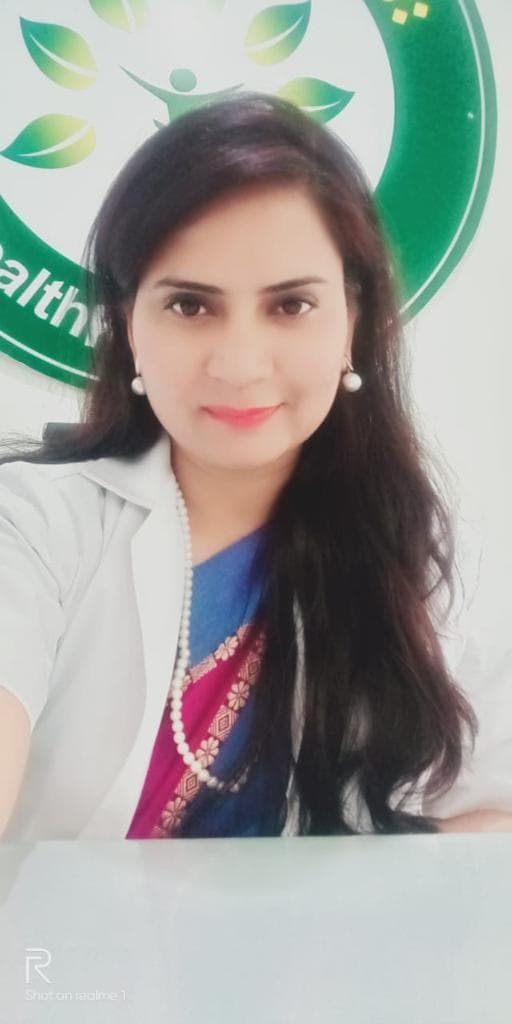
BHMS — Classical Homeopathic PhysicianPublished 15 Mar 2026· Updated 1 Aug 2026
Constitutional homeopathy offers meaningful, sustained improvement in ichthyosis — reducing scaling, improving skin comfort, and enhancing quality of life for patients of all ages.
Overview
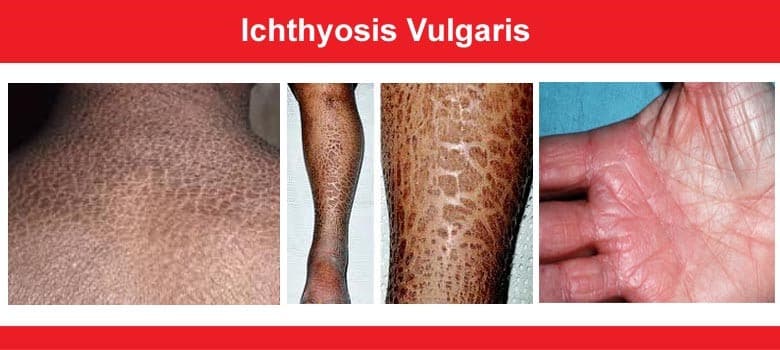
Ichthyosis is a group of hereditary or acquired skin disorders characterised by dry, thickened, scaly skin that resembles fish scales. The name comes from the Greek word for fish ("ichthys"). Ichthyosis vulgaris is the most common form, affecting approximately 1 in 250 people. More severe forms — lamellar ichthyosis, X-linked ichthyosis, and congenital ichthyosiform erythroderma — are rarer and impose a greater burden on daily functioning.
At HealthKunj, Dr. Meera Thakur has worked with many patients across the ichthyosis spectrum. While there is no curative treatment in any medical system for genetic ichthyosis, constitutional homeopathy consistently achieves clinically meaningful improvement in scaling severity, skin hydration, secondary infection frequency, and overall quality of life — benefits that are durable with continued treatment.
1:250
Prevalence of ichthyosis vulgaris
6–12 mo
Typical treatment period for improvement
98%
Patient satisfaction at HealthKunj
What Is It?
In healthy skin, keratinocytes (skin cells) are constantly produced, mature, and shed from the skin surface in a tightly regulated cycle. In ichthyosis, this process is disrupted — either because skin cells are produced too rapidly, shed too slowly, or both. The result is an accumulation of thickened, dry scale on the skin surface. The specific genetic mutation determines the type and severity of ichthyosis. Most forms are autosomal dominant or X-linked and present from birth or early infancy.
Ichthyosis Vulgaris
The most common form, caused by a filaggrin gene mutation. Often associated with atopic dermatitis. Scaling is typically on the shins, forearms, and back, with relative sparing of body folds.
Lamellar Ichthyosis
A rarer, more severe form present at birth (collodion baby). Characterised by large, plate-like scales covering the entire body. Significantly impairs sweat gland function and thermoregulation.
X-Linked Ichthyosis
Affects almost exclusively males due to steroid sulphatase enzyme deficiency. Presents as dark, adherent scales on the neck, trunk, and limbs. Mildly progressive and chronic.
Common Symptoms
Extensive dry, scaly skin resembling fish scales across the body
Skin that feels rough and tight, particularly after bathing
Scaling most prominent on the shins, forearms, back, and abdomen
Thickened skin on the palms and soles (palmoplantar keratoderma)
Skin that improves in warm, humid weather and worsens in cold, dry conditions
Reduced sweating (hypohidrosis) leading to overheating
Itching, particularly in dry or heated environments
Redness and cracking at skin folds (elbows, behind knees)
Prominent skin markings (hyperlinear palms) in ichthyosis vulgaris
Associated atopic dermatitis or eczema in some forms
Psychological burden from appearance and daily skin care demands
Benefits of Homeopathy for Ichthyosis
Improves Skin Barrier Function
Constitutional homeopathy works at the cellular level to improve keratinocyte differentiation and skin barrier integrity — the fundamental defect underlying ichthyosis.
Reduces Scaling Severity
Many patients experience a noticeable reduction in the thickness and extensiveness of scaling with consistent homeopathic treatment, improving both comfort and appearance.
Enhances Skin Hydration
Remedies prescribed for ichthyosis tend to improve skin moisture retention, reducing the tightness and discomfort associated with severely dry skin.
Addresses Associated Conditions
Ichthyosis frequently co-exists with eczema, allergies, and immune dysregulation. Constitutional homeopathy addresses the full spectrum of conditions simultaneously.
Improves Quality of Life
Beyond skin symptoms, homeopathic treatment addresses the fatigue, anxiety, and social distress that accompany a lifelong condition — supporting mental and emotional wellbeing.
Long-Term Maintenance
Unlike emollients which provide temporary relief, constitutional treatment progressively builds resilience in the skin, reducing the degree of daily emollient dependence over time.
Our Homeopathic Approach
Detailed Genetic & Family History
Dr. Meera conducts a thorough intake covering the type of ichthyosis (if diagnosed), onset at birth or later, family history, associated conditions like atopy, and the seasonal and environmental pattern of symptoms.
Assessing the Full Skin Picture
The distribution of scaling, skin thickness, associated itching, palmoplantar involvement, sweat gland function, and any secondary infections are all documented and analysed.
Constitutional Remedy Prescription
Remedies such as Arsenicum Album, Graphites, Petroleum, Thuja, Calc Sulph, and Kali Arsenicosm are selected based on the overall constitutional picture — considering the skin, thermoregulation, digestion, and emotional health.
Emollient & Bathing Protocol
Dr. Meera provides specific guidance on bathing practices (soaking before gentle exfoliation), emollient choices (urea-based, lanolin-free), and clothing fabrics that minimise skin irritation.
Long-Term Constitutional Management
Ichthyosis is a lifelong condition. Dr. Meera works with patients on a long-term basis — adjusting remedies and potencies seasonally and as the condition evolves — with the aim of progressive, sustained improvement.
Frequently Asked Questions
Can homeopathy cure ichthyosis?▾
Ichthyosis is a genetic condition with no known cure in conventional medicine. Homeopathy does not claim to alter genes, but constitutional treatment consistently achieves significant improvement in scaling severity, skin comfort, and quality of life. Many patients experience periods that are substantially better than before treatment.
What type of ichthyosis does homeopathy work best for?▾
Ichthyosis vulgaris — the most common and mild form — responds best to homeopathic treatment. Lamellar ichthyosis and congenital ichthyosiform erythroderma (CIE), being more severe genetic conditions, can be improved symptomatically. X-linked ichthyosis also responds well to constitutional treatment in many cases.
Should I continue using emollients during homeopathic treatment?▾
Yes — emollients remain an important part of daily skin management. Homeopathy works alongside emollient therapy. As skin function improves over time, many patients find they need emollients less frequently.
How long before I see improvement?▾
Mild improvements in skin texture and reduced daily scaling are often reported within 3–4 months. More significant reduction in scale thickness and improved skin comfort typically develops over 6–12 months of consistent constitutional treatment.
My newborn has been diagnosed with ichthyosis — can homeopathy help?▾
Yes. Homeopathic treatment is safe from birth and can be started as early as the diagnosis is made. Early constitutional treatment in infants may help moderate the severity of symptoms as the child grows.
Does the climate affect ichthyosis?▾
Yes — ichthyosis typically worsens in cold, dry weather and improves in warm, humid conditions. This pattern is itself a guiding symptom in remedy selection. Dr. Meera provides seasonal guidance to manage flare-ups.
Patient Stories
"I have had ichthyosis vulgaris since childhood. Every winter was a nightmare — my skin would crack and bleed. After 8 months of constitutional homeopathic treatment with Dr. Meera, this past winter was the most manageable I can remember in 30 years."
✓ Significant reduction in scaling; improved winter tolerance
Vikram Shinde
Patient since 2021 · Hadapsar, Pune"My teenage son has ichthyosis and was becoming very withdrawn due to his skin. Homeopathic treatment improved his skin texture noticeably and — more importantly — his confidence improved as the scaling became less severe. Dr. Meera also addressed his anxiety as part of the treatment."
✓ Reduced scaling; marked improvement in emotional wellbeing
Pooja Ingale
Patient since 2022 · Viman Nagar, PuneWhat to Inform Your Doctor
- 1
The specific type of ichthyosis if diagnosed — vulgaris, lamellar, X-linked, or CIE
- 2
Whether ichthyosis was present at birth (congenital) or appeared in early childhood
- 3
Which parts of the body are most severely affected
- 4
Seasonal variation — whether summer brings relief and winter worsens scaling
- 5
How the skin responds to bathing — whether soaking helps or worsens the condition
- 6
Sweat gland function — whether you overheat easily due to reduced sweating
- 7
Family history of ichthyosis or other hereditary skin conditions
- 8
Associated skin conditions — eczema, keratosis pilaris, or recurrent infections
- 9
Current skincare routine — emollients, exfoliants, and any prescription treatments
- 10
Emotional impact — anxiety, social withdrawal, or self-esteem issues
Preparing for Your Appointment
Photograph Skin in Various States
Photograph affected areas both in winter (when scaling is worst) and in summer if possible — this helps Dr. Meera understand seasonal variation in severity.
Note Your Skincare Routine
Document your current bathing routine, emollient schedule, and any prescription topicals — so Dr. Meera can provide complementary guidance.
Gather Genetic Reports if Available
If you have undergone genetic testing for ichthyosis, bring the reports. This helps Dr. Meera understand the specific subtype and tailor the constitutional approach.
Track Seasonal Changes
Note how your skin behaves in different seasons and weather conditions — humidity, rainfall, and temperature all affect ichthyosis severity.
Bring Dermatology Records
Carry any previous dermatology records, biopsy reports, or specialist notes, particularly regarding the subtype of ichthyosis.
Reflect on Wellbeing
Consider how ichthyosis affects your daily life, social interactions, and emotional state — homeopathy addresses the whole person, not just the skin.
Ready to start your healing journey?
Book your consultation with Dr. Meera Thakur at HealthKunj Clinics, Pune.
Book Your ConsultationTwo ways to consult for Ichthyosis
Dr. Meera Thakur sees patients in person at our Kharadi clinic in Pune, and online by video anywhere in India.
In-clinic — Kharadi, Pune
First Floor, Blue Berry Society, 4, Blue Berry Rd, Tulaja Bhawani Nagar, Kharadi, Pune, Maharashtra 411014
Mon–Sat: 10:30 AM – 2:00 PM & 5:30 PM – 8:30 PM · Sunday: Closed
Book a clinic visitOnline — anywhere in India
A video consultation with the same detailed case-taking as an in-clinic visit. Medicines are couriered to your address.
Book an online consultation