
Skin Condition
Seborrhoeic Dermatitis

BHMS — Classical Homeopathic PhysicianPublished 15 Mar 2026· Updated 1 Aug 2026
Homeopathic care for stubborn scalp and facial seborrhoeic dermatitis — addressing greasy scaling, redness, and chronic dandruff at its constitutional root.
Overview
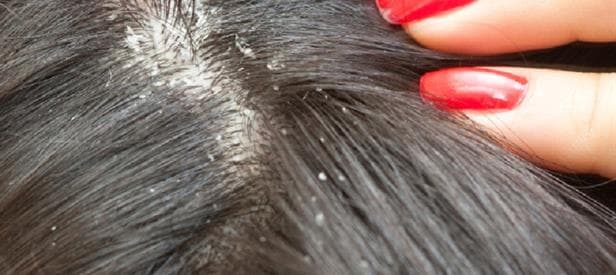
Seborrhoeic dermatitis is a chronic inflammatory skin condition affecting areas rich in sebaceous glands — particularly the scalp, face (nasolabial folds, eyebrows, forehead), ear canals, and chest. Characterised by greasy yellowish scales, persistent redness, and irritating itch, it affects up to 5% of the general population and can significantly impact quality of life and self-confidence.
At HealthKunj, Dr. Meera Thakur offers constitutional homeopathic treatment that goes beyond medicated shampoos and short-term steroid applications. By treating the sebaceous dysregulation, immune imbalance, and constitutional susceptibility at their source, we help patients achieve lasting remissions and reduce dependence on topical medications.
5%
Adults affected by seborrhoeic dermatitis globally
4–6 mo
Average constitutional treatment duration
98%
Patient satisfaction at HealthKunj
What Is It?
Seborrhoeic dermatitis arises from a complex interplay between sebaceous gland activity, the Malassezia yeast, and an individual's immune response. Excess sebum provides nutrients for Malassezia, whose metabolites irritate the skin and trigger an inflammatory cascade. The condition is not simply a hygiene issue — it reflects a deeper constitutional predisposition that makes certain individuals chronically susceptible.
Malassezia & Sebum
Malassezia yeasts metabolise triglycerides in sebum into irritating free fatty acids. In susceptible individuals, this triggers an exaggerated immune response causing the characteristic red, scaly inflammation.
Constitutional Susceptibility
Stress, fatigue, neurological conditions (e.g., Parkinson's), HIV, and hormonal shifts all predispose to seborrhoeic dermatitis — indicating that this is a systemic vulnerability reflected in the skin, not merely a local skin problem.
Infantile vs Adult Forms
Infantile seborrhoeic dermatitis (cradle cap) occurs in the first weeks of life due to maternal hormones and typically resolves spontaneously. Adult seborrhoeic dermatitis is chronic and requires constitutional management.
Common Symptoms
Greasy yellowish scales on the scalp, eyebrows, nose, and ears
Redness and inflammation of the skin in sebum-rich areas
Persistent dandruff that worsens in winter and stress
Itching and burning on the scalp and facial skin
Scaling behind the ears and in the ear canal
Skin flaking on the sides of the nose and nasolabial folds
Crusting or weeping in severe or infantile cases
Oily skin texture with intermittent dry flaky patches
Eyebrow scaling and associated eyelid irritation (blepharitis)
Flare-ups triggered by fatigue, stress, or illness
Beard and moustache area scaling in men
Benefits of Homeopathy for Seborrhoeic Dermatitis
Targets Sebum Regulation
Homeopathic remedies address the constitutional tendency toward excess sebaceous secretion — the root cause of Malassezia-driven inflammation.
Breaks the Steroid Dependency Cycle
Many patients are on repeated steroid creams that thin the skin. Homeopathy offers a steroid-free path to long-term remission.
Reduces Scalp Inflammation
Remedies such as Graphites, Kali Sulph, and Mezereum calm scalp inflammation, reduce scaling intensity, and relieve the persistent itch.
Addresses Stress-Triggered Flares
By treating the whole person including their stress response and nervous constitution, homeopathy reduces the frequency of stress-induced flares.
Improves Skin Barrier Function
Constitutional treatment gradually normalises the skin's acid mantle and immune response, making the skin less hospitable to Malassezia overgrowth.
Safe for Infants with Cradle Cap
Gentle homeopathic remedies are safe for babies with infantile seborrhoeic dermatitis (cradle cap) without any systemic risk.
Our Homeopathic Approach
Comprehensive Scalp & Skin Evaluation
Dr. Meera assesses the distribution of scaling, the nature of discharge (dry vs. greasy), affected zones, and associated conditions such as blepharitis, psoriasis, or rosacea to establish an accurate diagnosis.
Constitutional Case-Taking
A detailed history explores stress levels, dietary patterns, sleep quality, hormonal factors, and past skin treatments. Seborrhoeic dermatitis often reflects a constitutional Sulphur, Graphites, or Psorinum state.
Individualised Remedy Prescription
The most similar remedy — Mezereum for thick crusts, Thuja for oily skin, Natrum Mur for stress-triggered scalp issues — is selected based on the totality of symptoms, not merely the skin appearance.
Dietary & Lifestyle Modifications
Patients receive guidance on reducing sugar and refined carbohydrates, managing stress, and choosing gentle sulphate-free cleansers that do not strip the skin barrier or alter scalp pH adversely.
Long-Term Monitoring & Relapse Prevention
Follow-up consultations at 4–6 week intervals track improvement in scaling, itch, and skin oiliness. Remedies are refined as the patient's skin normalises and stress resilience improves.
Frequently Asked Questions
Is seborrhoeic dermatitis a fungal infection?▾
Seborrhoeic dermatitis is triggered by Malassezia yeast — a fungus naturally present on the skin — but the condition is fundamentally an inflammatory response of the skin to this yeast, not a classical infection. Immune dysregulation, excess sebum, and individual susceptibility are the real determinants.
Can homeopathy cure seborrhoeic dermatitis permanently?▾
Seborrhoeic dermatitis is a chronic condition with a tendency to recur. Homeopathy aims for long, stable remissions by treating the constitutional susceptibility. Many patients remain symptom-free for years after completing a course of constitutional treatment.
How is infantile seborrhoeic dermatitis (cradle cap) treated at HealthKunj?▾
For infants, gentle low-potency remedies such as Viola Tricolor, Graphites, or Calcarea Carb are used based on the baby's constitution. Treatment is safe and typically brings resolution within 4–8 weeks.
Will I need to stop my medicated shampoo?▾
Not immediately. Dr. Meera typically allows patients to continue medicated shampoos (ketoconazole or zinc pyrithione) during the initial phase while constitutional remedies take effect. Shampoo dependency usually reduces naturally over 3–6 months.
Does stress really trigger seborrhoeic dermatitis?▾
Yes. Stress modulates immune response and sebaceous activity, both of which are central to seborrhoeic dermatitis. Patients consistently report flares during periods of emotional or physical stress. This is why constitutional homeopathy — which addresses the stress response — is particularly effective.
How long before I see improvement?▾
Most patients notice reduced scaling and itch within 4–8 weeks of starting homeopathic treatment. Full constitutional improvement — including reduced flare frequency — typically takes 4–6 months depending on chronicity.
Patient Stories
"I had seborrhoeic dermatitis on my face and scalp for nearly five years. The redness around my nose and the constant flaking were so distressing. Three months into Dr. Meera's treatment the scaling reduced dramatically and my skin is far less oily now. I no longer need the steroid cream every week."
✓ Facial scaling cleared in 3 months; steroid-free for 8 months
Supriya Deshpande
Treated Sep–Feb"The itching and thick yellow crusts on my scalp were unbearable. I had tried every medicated shampoo available. Homeopathic treatment at HealthKunj Baner changed everything gradually but surely. My scalp is now mostly clear and the treatment has also improved my general health and energy."
✓ Scalp scaling reduced by 80%; itch resolved within 6 weeks
Prasad Jadhav
Treated Nov–MarWhat to Inform Your Doctor
- 1
All areas of the body affected — scalp, face, chest, ears, or groin
- 2
Whether the scaling is dry and flaky or greasy and yellowish
- 3
History of eczema, psoriasis, or other inflammatory skin conditions
- 4
All steroid creams, antifungal shampoos, and topical treatments previously or currently used
- 5
Stress levels, sleep patterns, and any recent illness or emotional upheaval
- 6
Dietary habits — particularly sugar, dairy, and alcohol intake
- 7
Any history of Parkinson's disease, HIV, or neurological conditions (associated with severe seborrhoeic dermatitis)
- 8
Hormonal changes — puberty, menopause, or thyroid disorders that may be contributing
- 9
Season and weather patterns that worsen symptoms
Preparing for Your Appointment
Photograph Affected Areas
Take close-up photos of the scalp, facial folds, ear canals, and any other affected skin in good lighting before your first appointment.
List Current Hair & Skin Products
Note every shampoo, conditioner, face wash, and topical cream you use — including prescription steroid creams — so Dr. Meera can assess their impact.
Track Flare Timing
Record when flares worsen — whether after stress, illness, season changes, or dietary indulgences — as these patterns guide constitutional remedy selection.
Bring Previous Dermatology Reports
Any skin biopsy, KOH tests, or dermatologist notes help confirm the diagnosis and rule out psoriasis, which can look similar.
Keep a 3-Day Diet Record
Write down everything you eat for three days before your appointment. Diet is a key factor in sebum production and Malassezia colonisation.
Note Sleep & Stress Levels
Rate your average sleep quality and stress levels over the past month. These directly influence seborrhoeic dermatitis activity and guide the homeopathic prescription.
Ready to start your healing journey?
Book your consultation with Dr. Meera Thakur at HealthKunj Clinics, Pune.
Book Your Consultation